Photo by James.
In Brussels, I went overboard on a $90 cab ride (it was a Mercedes– I’d never ridden in one before). The ride was worth every penny.
When traveling to a pricey destination, preparing mentally (and increasing your credit limit) can lessen the shock. A 2008 Mercer survey listed the following as the world’s most expensive cities:
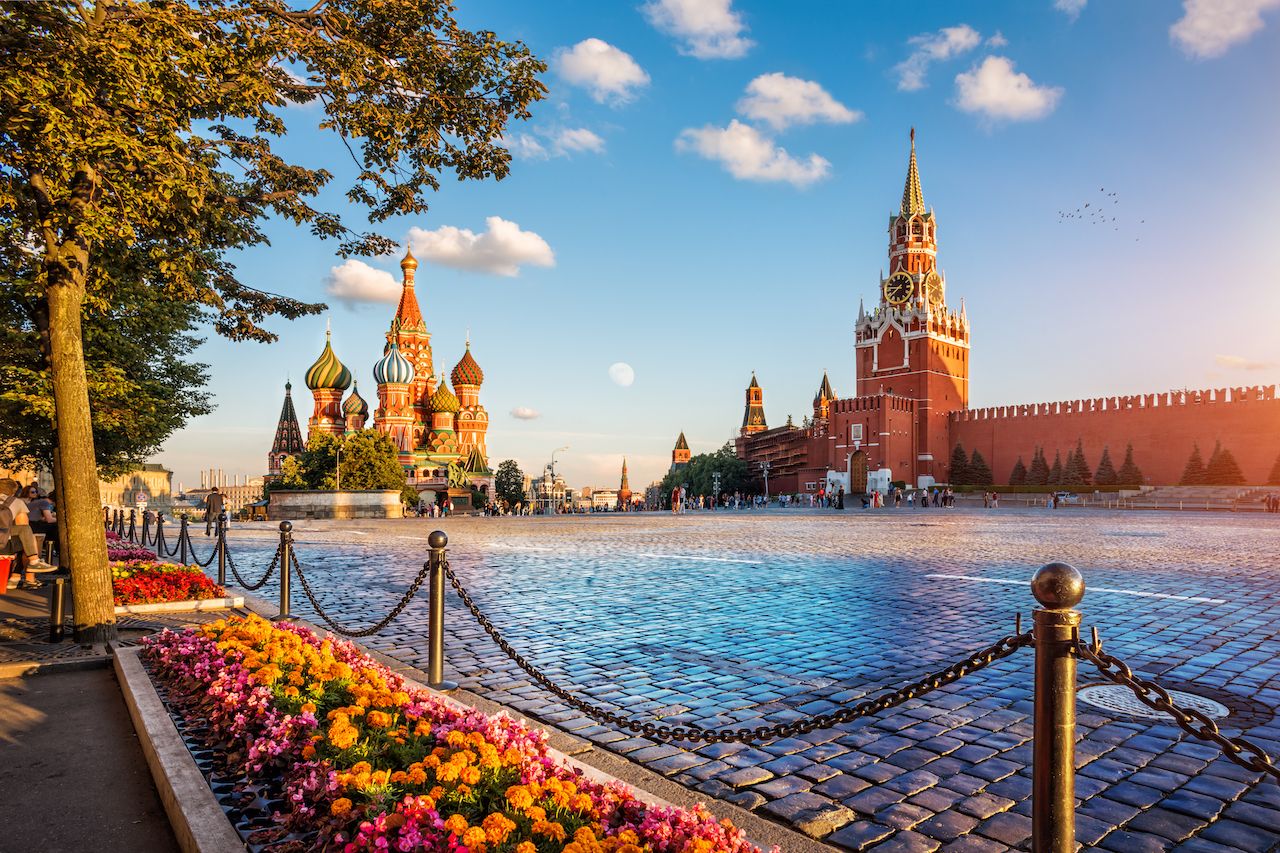
1. Moscow
Moscow has been number one on Mercer’s list for the last three years. Home to the most billionaires in the world (74), Moscow’s cost of living is 42% higher than New York’s. On Tretyakovsky Proezd, you can stroll past upscale boutiques like Bulgari, Tiffany & Co., Armani, and Prada.
You can put your nose to the window on Tverskaya Street (Gorky Street), the nighttime playground of the nouveau riche Russians.
Thankfully, walking through Red Square is still free. And the Moscow Metro, with its famous architecture and artwork, only costs 19R ($US 0.70).
2. Tokyo
Photo by Anna Pearson
Along with New York and London, Tokyo is one of the world’s three financial command centers. In Tokyo, you can go overboard at the Aragawa Steakhouse, number one in 2006 and 2007 on Forbes Most Expensive Restaurants in the World list.
At Aragawa, you’ll pay upwards of $400 for the sake-fed Wagyu beef.
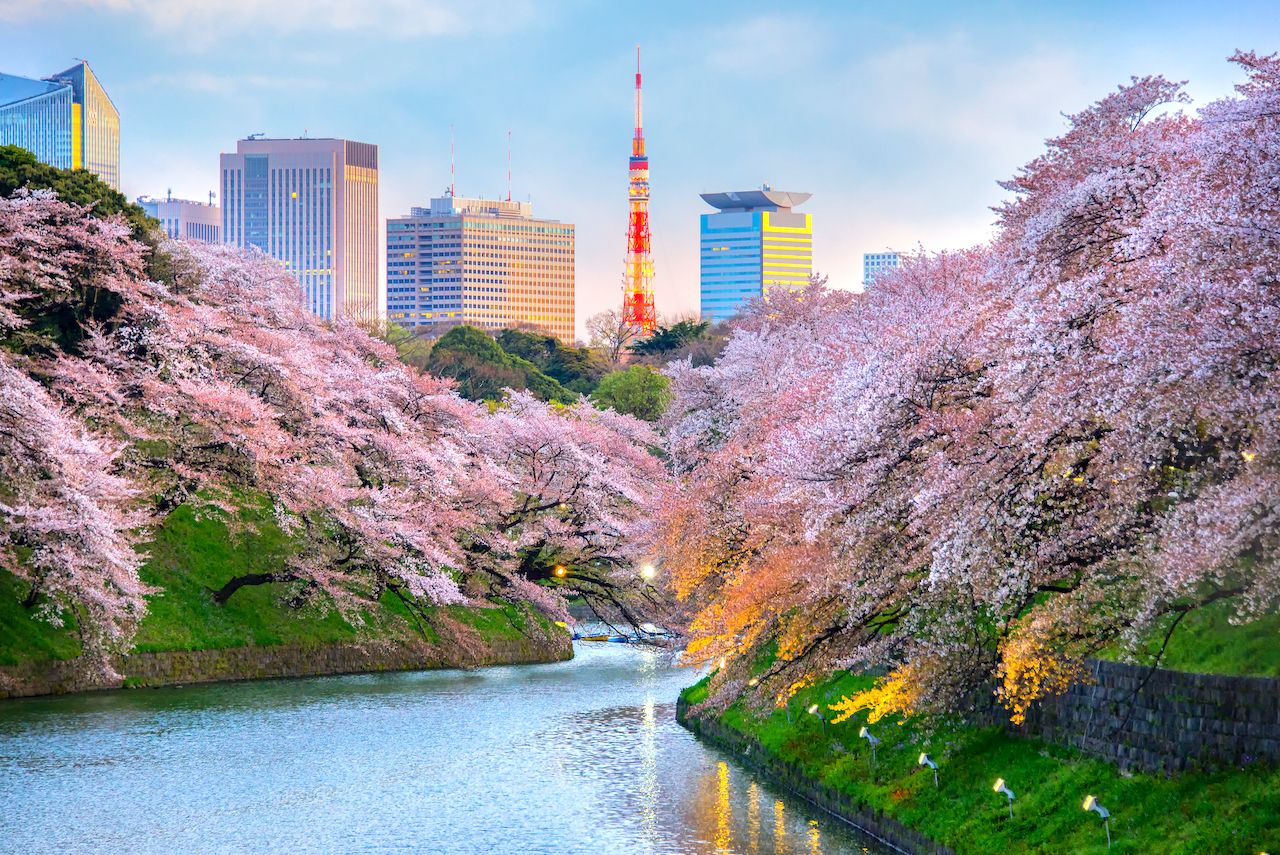
Luckily, Tokyo’s subway is cheap: 160 yen ($US 1.80) to 300 yen ($US 3.40). And a springtime picnic under the sakura (cherry blossoms) in Shinjuku Gyoen National Gardens won’t break the bank.
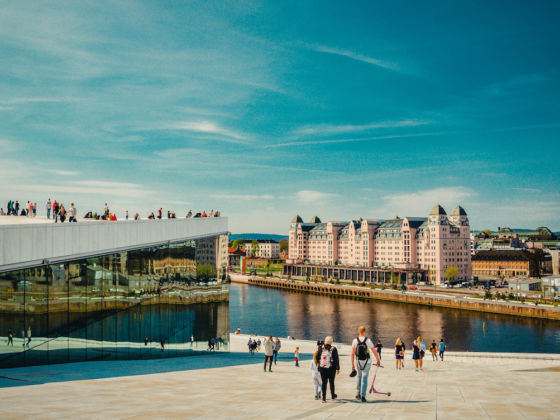
3. Oslo
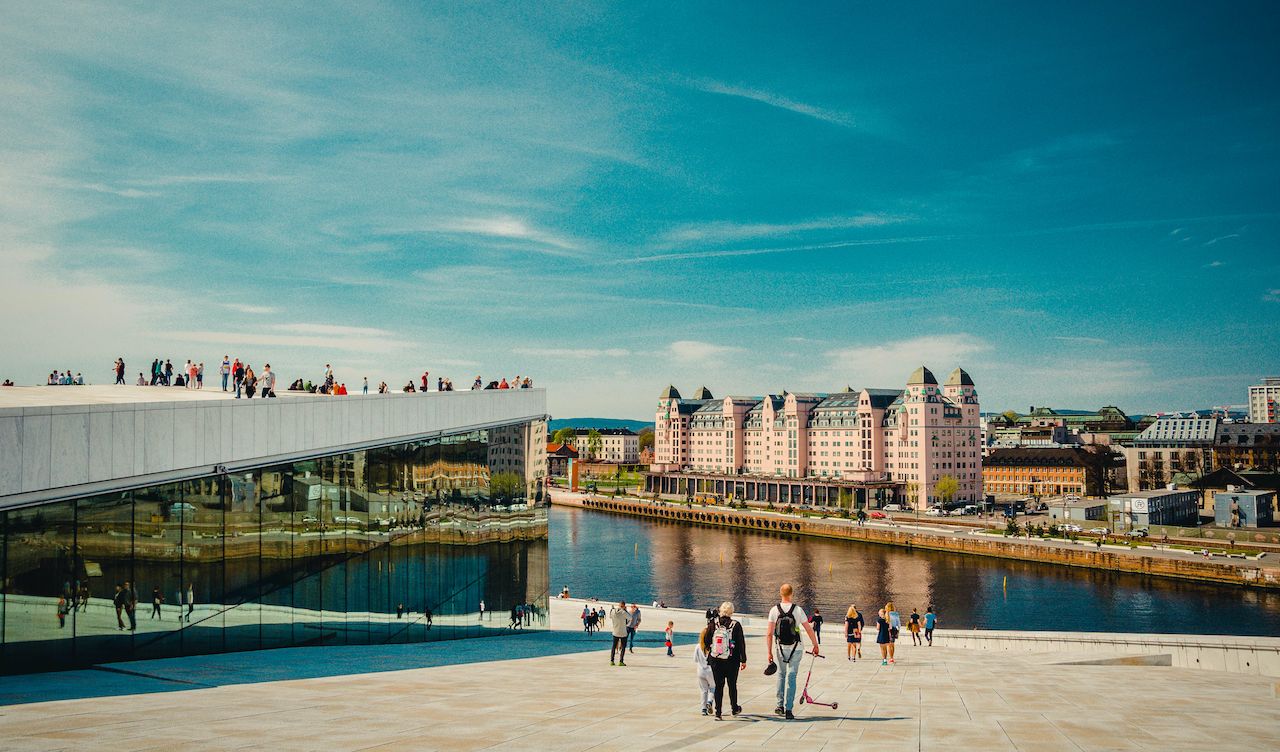
Norway’s recent oil boom spurred a massive infusion of wealth. The maritime sector also remains strong, with many of the world’s largest shipping companies based here.
Prices on goods and services are among the highest of any city. A beer at a pub costs up to 87 NOK ($12). Hearing the fat ladies sing at the Norwegian National Opera will drain you of 160-400NOK ($US23-$US57).
4. London
Photo by Paul Bence
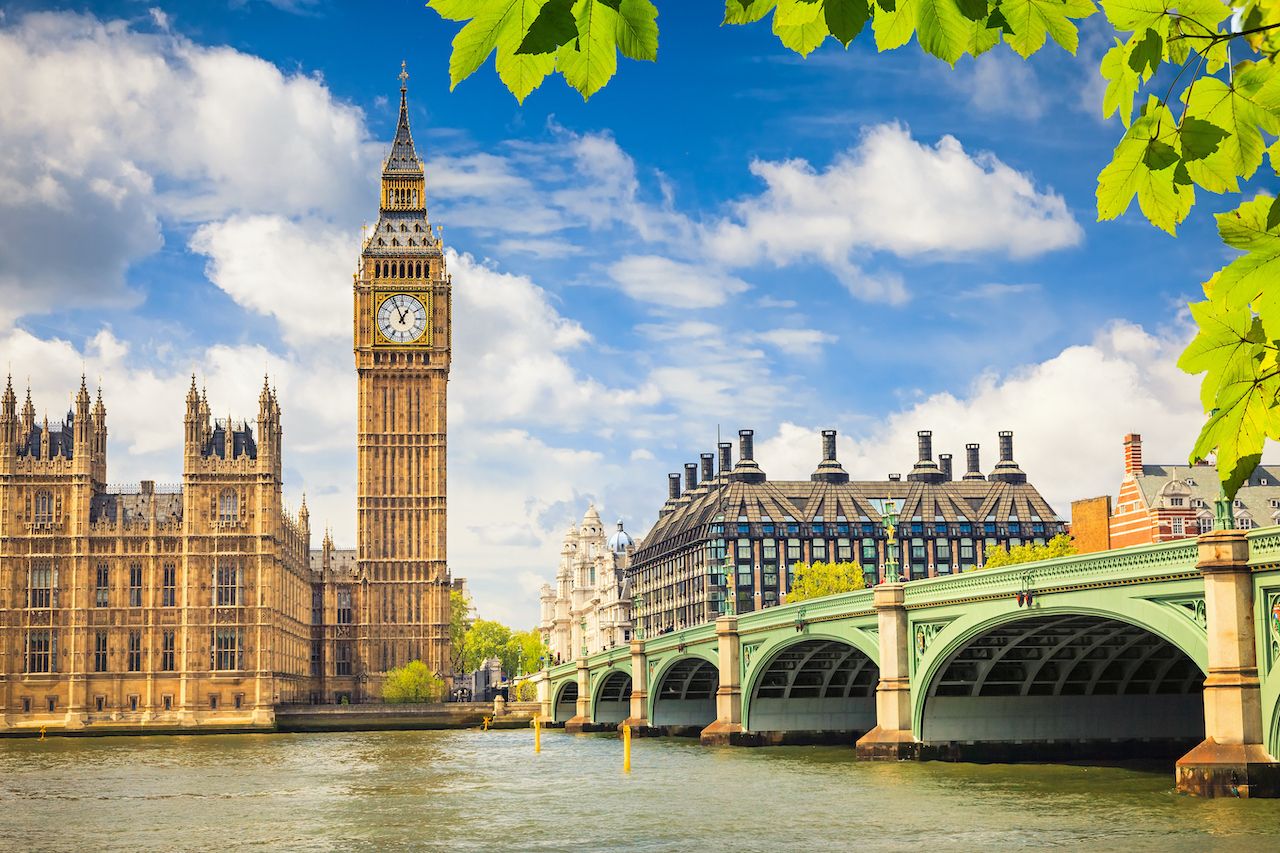
With English as the native tongue of business, London is another one of the world’s top financial centers. According to a recent Zagat survey, London is the priciest city in the world for dining. An average dinner here sets you back 58 GBP ($US 79).
Fortunately, a ride on London’s famous Tube starts at 1.60 GBP with an Oyster card, or 4.00 GBP in cash ($US 2.25-6.00), while the iconic double decker buses cost just 1.00-2.00 GBP ($US 1.50-3.00).
5. Seoul
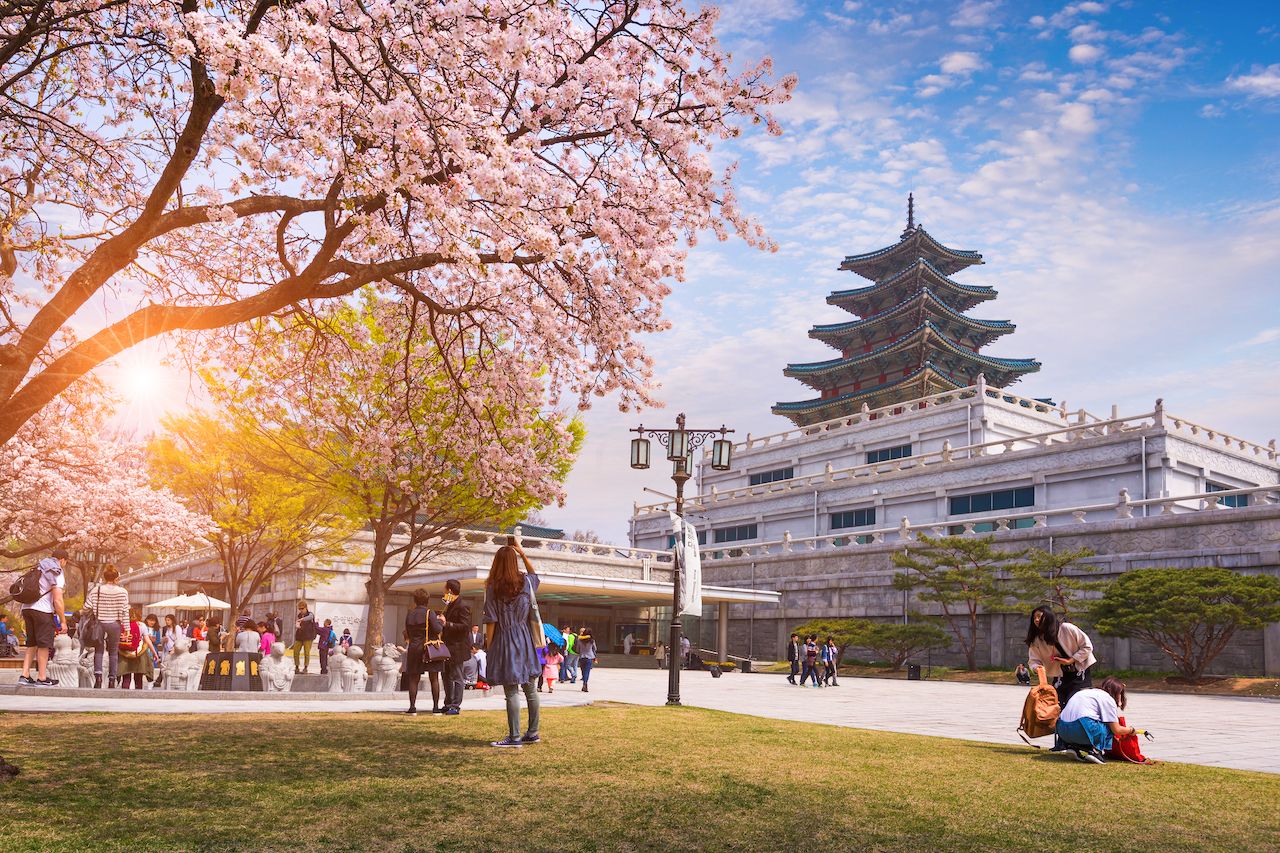
Seoul is sixth in the world with respect to the number of Fortune Global 500 transnational companies headquartered here. The affluent Gangnam district will suck you dry.
But sampling kimchi at the Kimchi Field Museum only costs 3000 SKW ($US 2.20). Vices also come cheap in Seoul. A pack of Marlboro’s costs 1900 SKW ($US 1.40), and a pint of local Korean draft beer costs 2500 SKW ($US 1.80).
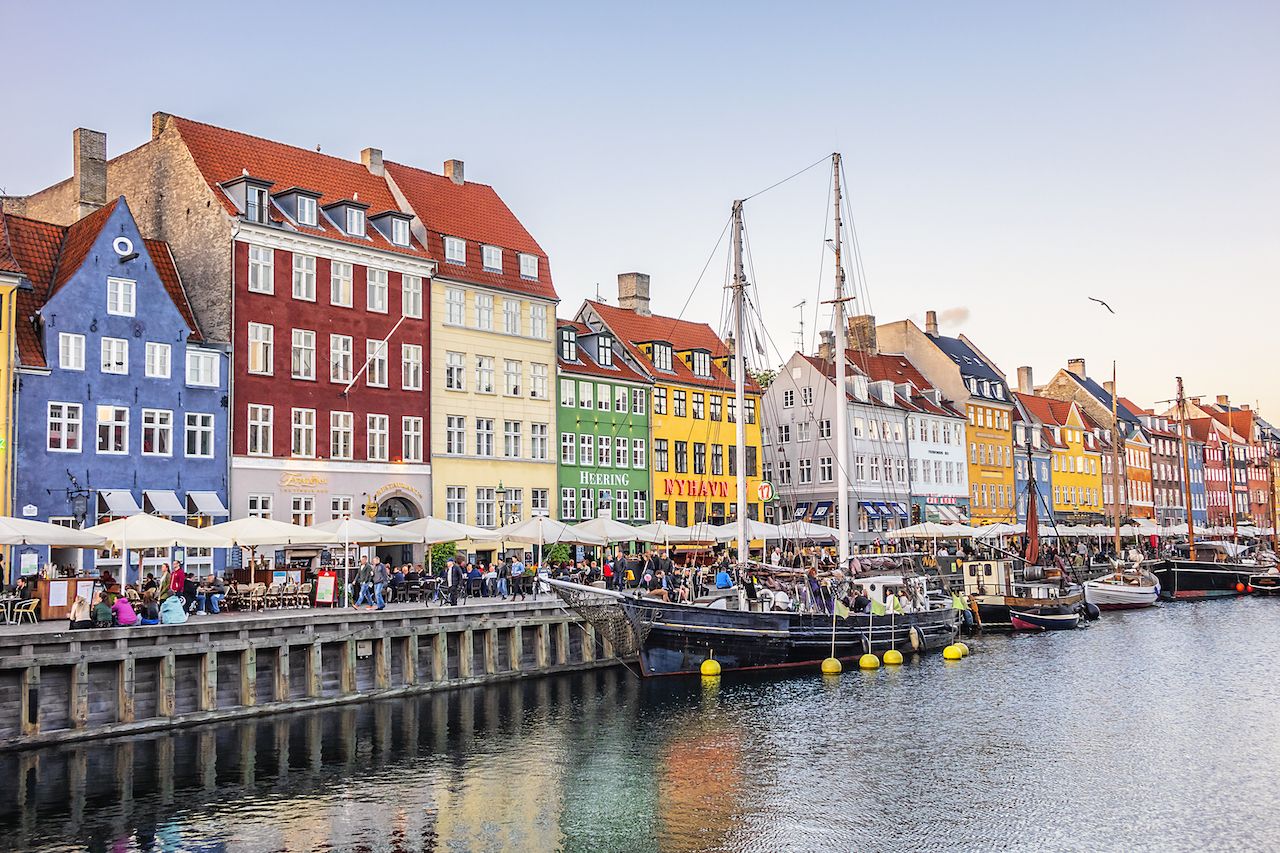
6. Copenhagen
Much of Copenhagen’s recent wealth stems from the Medicon Valley on its outskirts, one of the strongest pharmaceutical and biotech clusters in Europe.
According to British lifestyle magazine Monocle, Copenhagen was the best city for quality of life in 2008 and the World’s Best Design City 2008. A recent boom in modern architecture led to a profusion of buildings by Hadid, Liebeskind, Foster, and others. Thankfully, viewing the buildings is free.
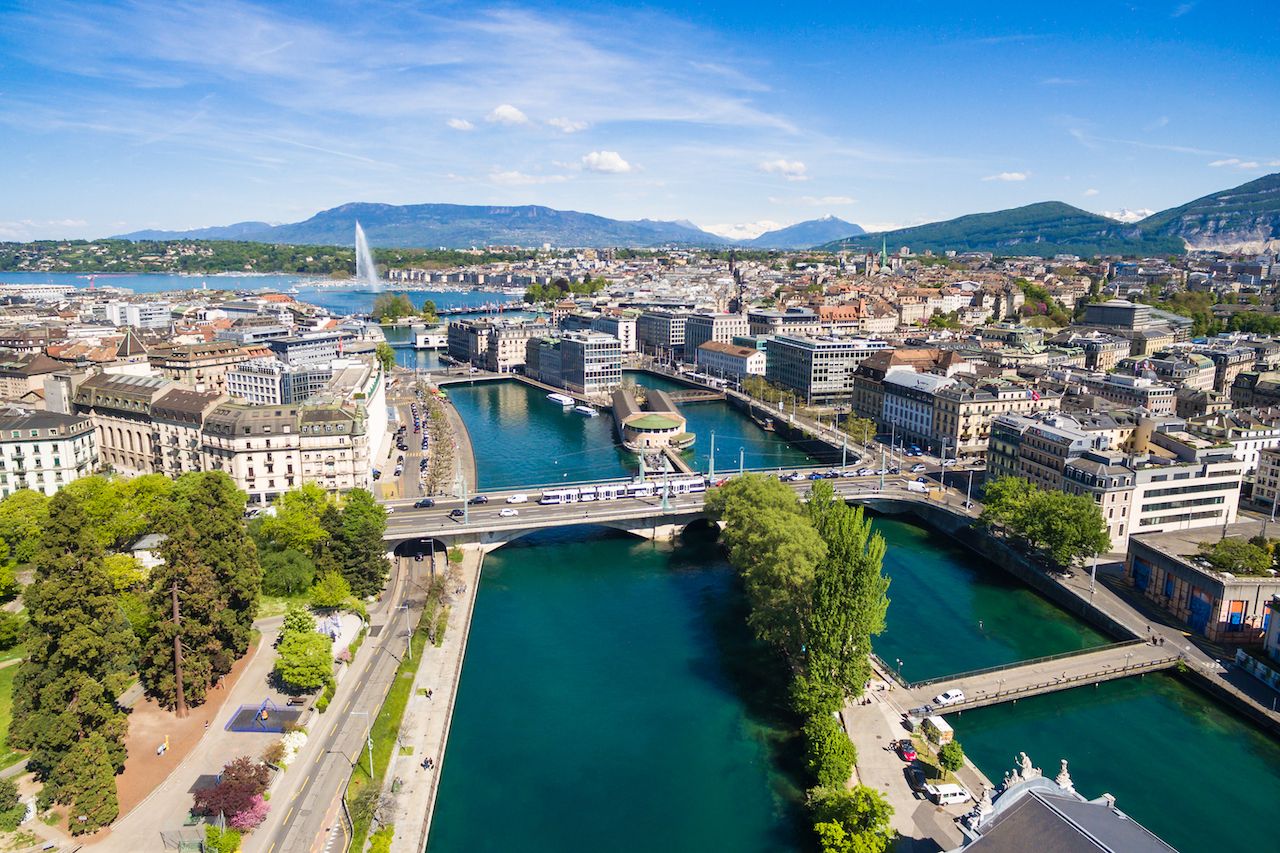
7. Geneva
Here, the cost of living index is 50% higher than in Chicago or San Francisco. With a historically strong private banking tradition, Geneva remains the world’s sixth most important banking center.
Watchmaking also remains a stalwart, with Rolex, Patek Philippe, Raymond Weil, and Omega all headquartered here. Chocoholics beware: a twelve ounce assortment of Teuscher truffles sets you back SFr 44 ($US 38)!
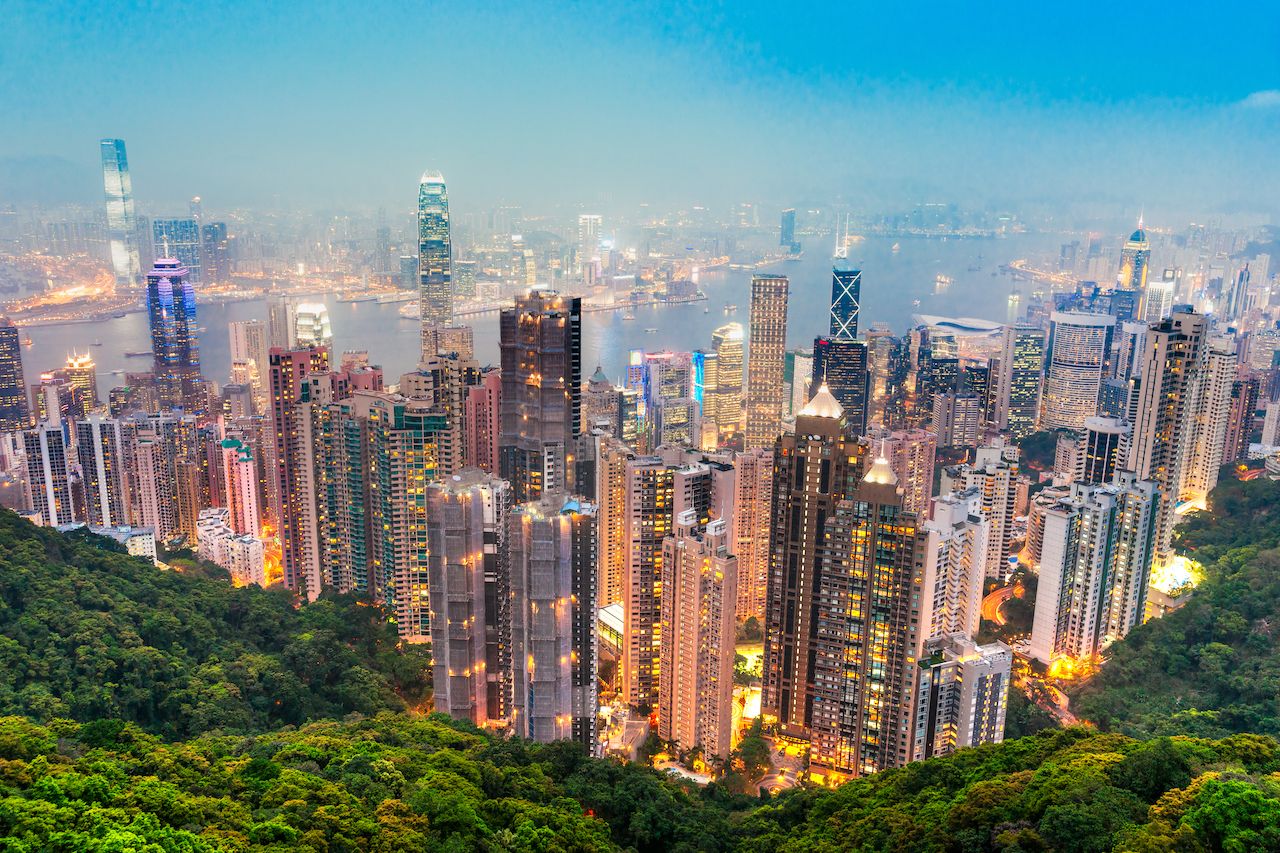
8. Hong Kong
Photo: Steve Webel
Hong Kong is nearly 20% more expensive than NYC. With one of the freest capitalist economies in the world, Hong Kong has the greatest concentration of corporate headquarters in the Asian Pacific region.
Indulgences gouge you here. A superior room at the landmark Mandarin Oriental Hotel costs HKD 3200 ($412) a night, and a 60 minute Chinese massage at the Mandarin’s spa costs HKD 900 ($116).
Luckily, the funicular that climbs the 373 meters between central Hong Kong and the Peak only costs HKD 22 ($US 2.84, one way).
COMMUNITY CONNECTION
With the economic recession spreading around the world, it’s unlikely that any of these expensive cities will be on budget travelers’ 2009 itineraries. If you’re looking for some shoestring itineraries, be sure to check out Matador’s budget guides, which cover Berlin, New York City, Paris, and Singapore, among others!
About the Author
Related Posts
16 Comments... join the discussion!
-
-
I can attest to Tokyo- it cost me almost 10x as much as it did in Taipei to get from the airport to the city! The station attendant was unmoved by my jaw hitting the floor.
↵ -
I'm with you Tim. Personally i skirt money gobbling cities, unless I'm at home that is…
↵ -
Great article here, loving the pics!
↵ -
It's good to know there are cities far more expensive than New York City!
Kind of keeps life here in perspective.
↵ -
I'm broke in Auckland. Fun fun.
↵ -
Cool idea for an article, and well-written to boot. I'm surprised at how high up in the Mercer rankings Seoul is. Maybe it's different for Koreans themselves, but in my experience, it was quite cheap to live in (and/or visit) this fabulous city.
↵ -
Wow! I bet that was a shock– and an unsypmathetic station attendant to boot! Sometimes just arriving in a new place can be a jar to the system (financially speaking). Did you find more economical ways to have fun in Tokyo?
↵ -
Thanks! I agree– big, weallthy cities can be scary but also a lot of fun. It seems to me that being on the outside can sometimes be easier– you have the freedom to roam around and gawk at the wealth without the complications of watching all your hard-earned cash wither away. It seems to me like the political complications of this are quite complicated. Hopefully things will pick up soon for those most affected.
↵ -
Thanks! When did you live in Seoul? I'd love to hear about your experiences (especially where you found a deal). Yes, the Mercer ratings are surprising! One reason is because these ratings are based on cost of living estimates for expats working primarily in the business sector. Companies use ratings like these to decide whether it is economical to send employees abroad. Costs of necessary items, like food in supermarkets, are likely to be less pricey, especially for locals and budget travelers with a different lifestyle and a knack for finding a deal. That said, the Mercer ratings give us an idea of the places where we might need to watch our wallets. Seoul is one of the top three financial centers in the Asian region.
↵ -
I've heard Moscow is out of control. I read that it's about ten dollars for a cappuccino in an expat cafe. In Beijing, the coffee was frighteningly expensive and my addiction threatened to drive me into destitution. It's around ten dollars for a quarter pound of coffee, and about five dollars for a cappuccino in a cafe. Thankfully beer was about fifty cents a bottle or I would've been hard up eating noodle soup in my torn jeans all year (which I was half the time anyway, but hey, beer prices allowed me to go for a hot pot from time to time.)
↵ -
How did Zagat come to £58 for an 'average' dinner? You can get fantastic food for less than £30 per diner including wine, and more than decent (i.e. average…) for £15 or so!
↵ -
Yea I had some friends who grew up there and knew the ropes. But lord if I had to figure it out myself, my wallet would be crying for mercy haha
↵ -
Great article. New York City is also so expensive
↵ -
I wish I’d written this article a few years back before I considered going to Scandinavia for a study abroad program. I was floored by the prices in the major cities! Food, activities, transportation … luckily I found the best moments were unexpected and free, like the evening I wandered into a church to hear a choir practice.
↵ -
Its interesting that Vegas was not one the list. As an american I always think of vegas as the place to go to burn though money. Its interesting to think about all these other citys.
↵