1. Tuvalu
Photo above by mrlins
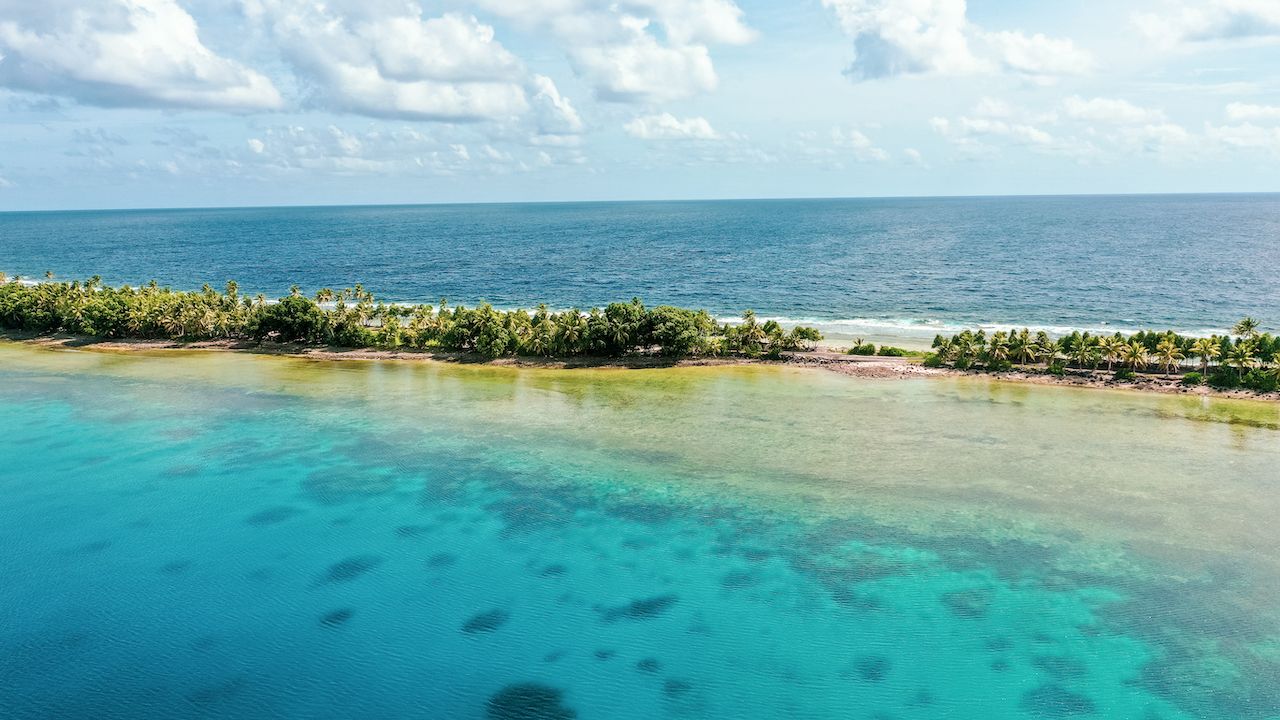
This Polynesian island nation is only 10 square miles and 4.5 meters above sea level… at its highest point. Tuvalu is the fourth smallest country in the world and is slowly disappearing into the Pacific Ocean. It is poised to be one of the first nations to experience the effects of sea level rise caused by climate change- a real-life Atlantis in the making.
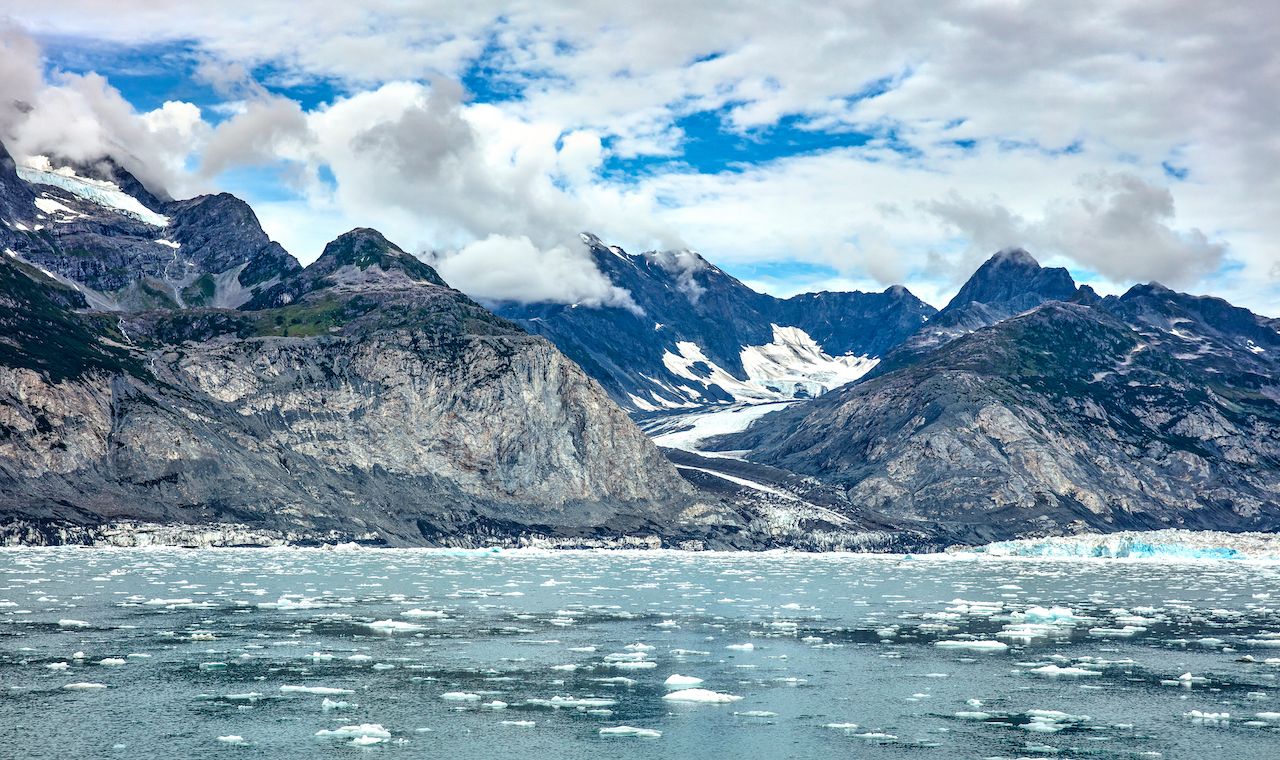
2. The Columbia Glacier, Alaska
Photo above by Wikimedia Commons
The Columbia Glacier in Alaska’s Prince William Sound is one of the fastest moving glaciers in the world. It has been estimated that this 54 km wide chunk of ice may well be transformed into a large fjord within 50 years and perhaps in less than a decade.
3. Rainforests of Papua New Guinea
Photo above by ajvhan
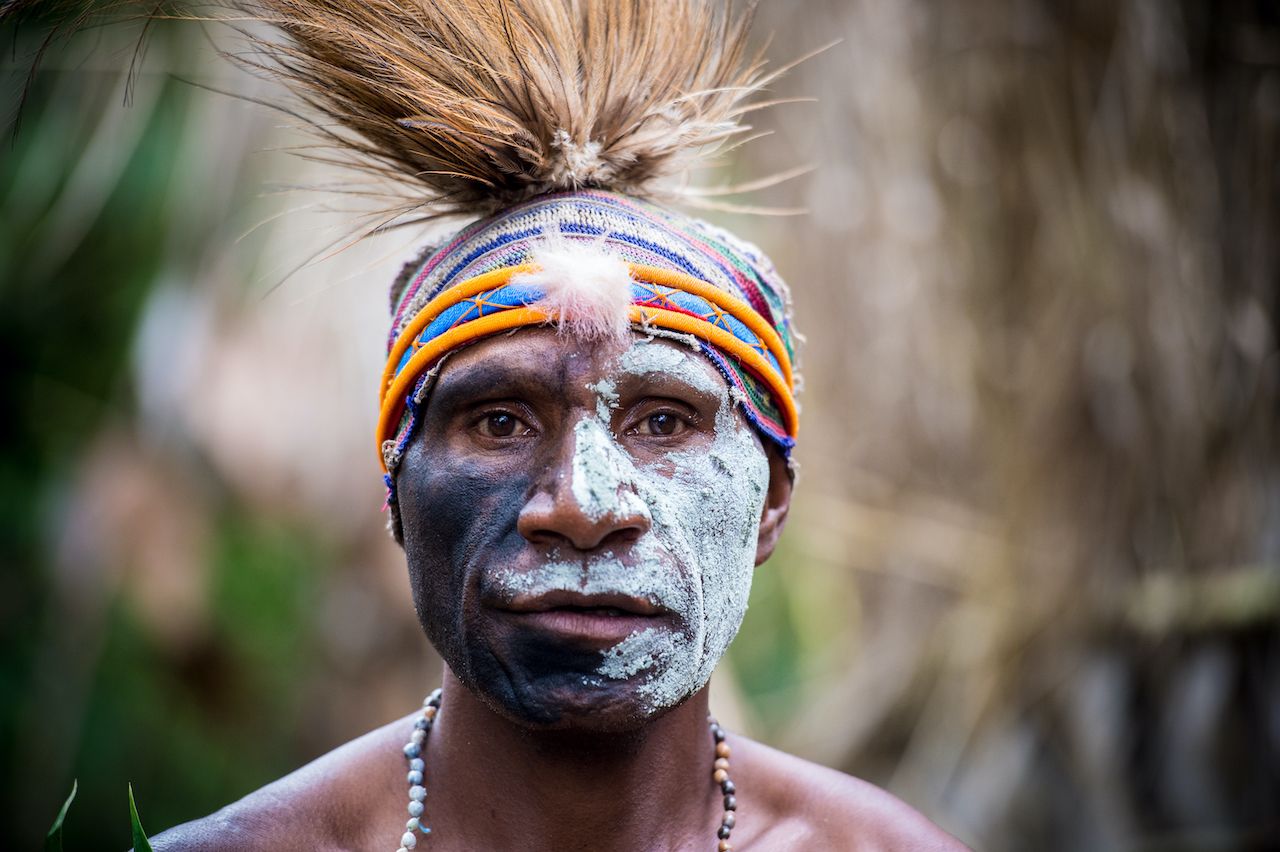
Papua New Guinea is home to the world’s third largest rainforest, with many microclimates and endemic species. Unfortunately, this area is being logged and cleared with little regard for the environmental consequences. Satellite imagery reveals destruction on such a large scale that within 12 years nearly all accessible forest is predicted to be destroyed or degraded.
4. Indo-Pacific Coral Reef
Photo above by kimberlyfaye
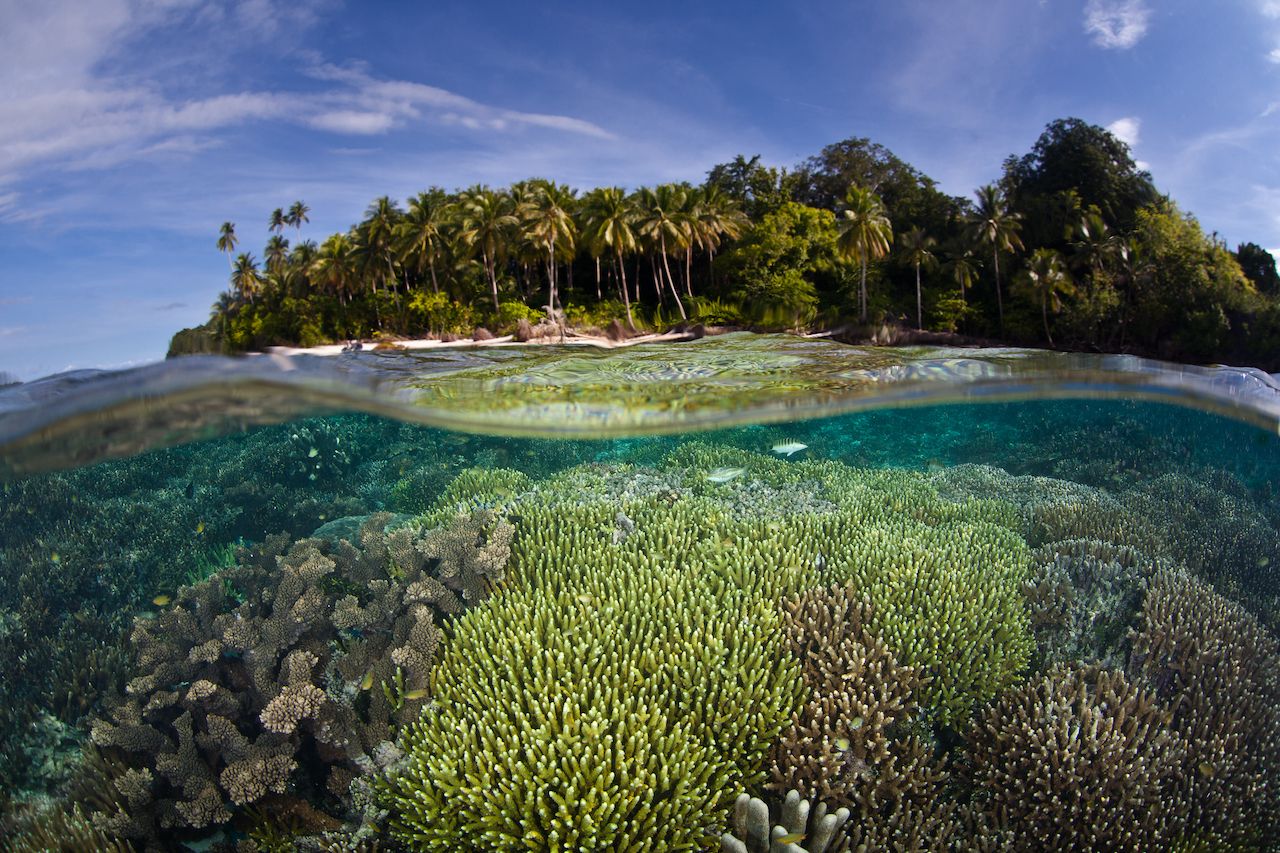
The Indo-Pacific contains 75% of the world’s coral reefs and has the greatest coral diversity in the world. An estimated 600 square miles of reef has been disappearing per year since the late 1960s, due to various causes, including deforestation and climate change. See it now before it’s gone.
5.The Maldive Islands
Photo above by Wikimedia Commons
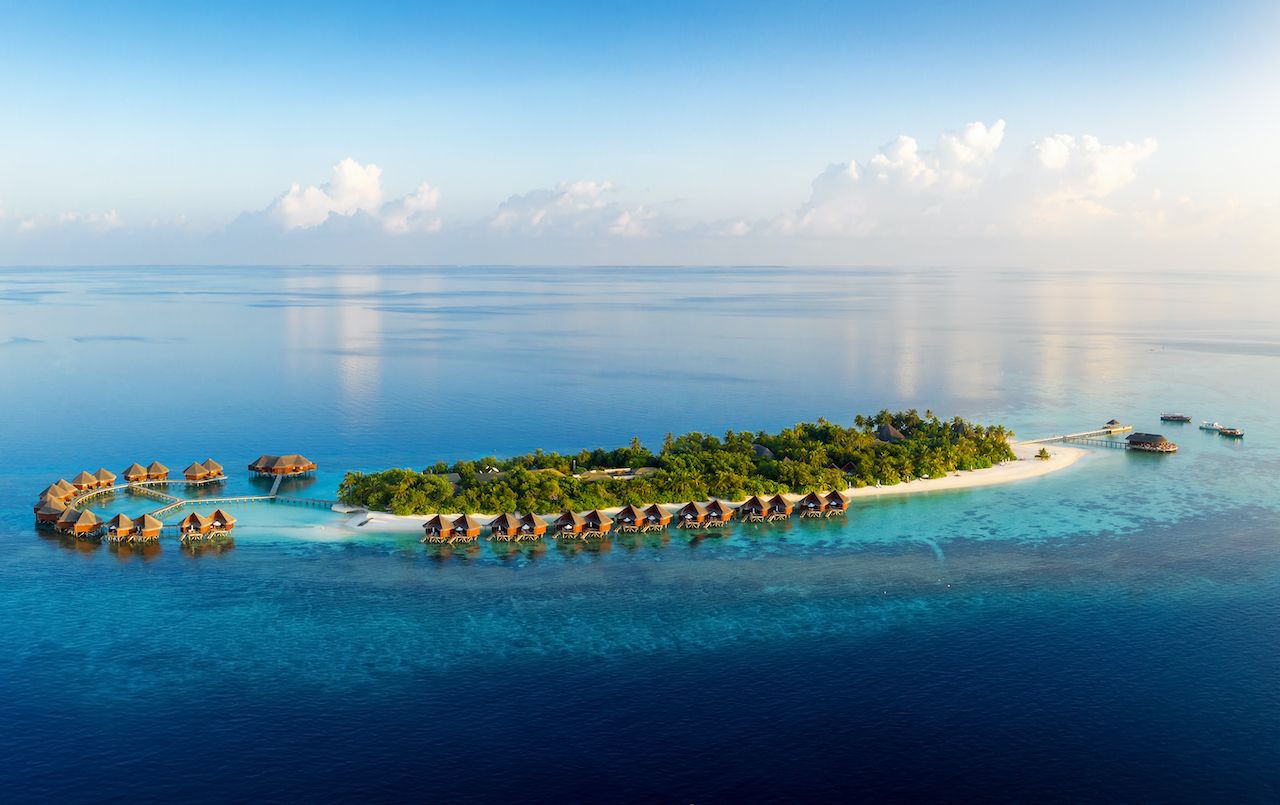
A group of atolls in the Indian Ocean, the Maldives hold the record for being the lowest country, averaging just 1.5 meters above sea level. They are being threatened as the sea level continues to rise as a result of global warming, and may be totally submerged within 50 years.
6. Himalayan Glaciers
Photo above by ilkerender
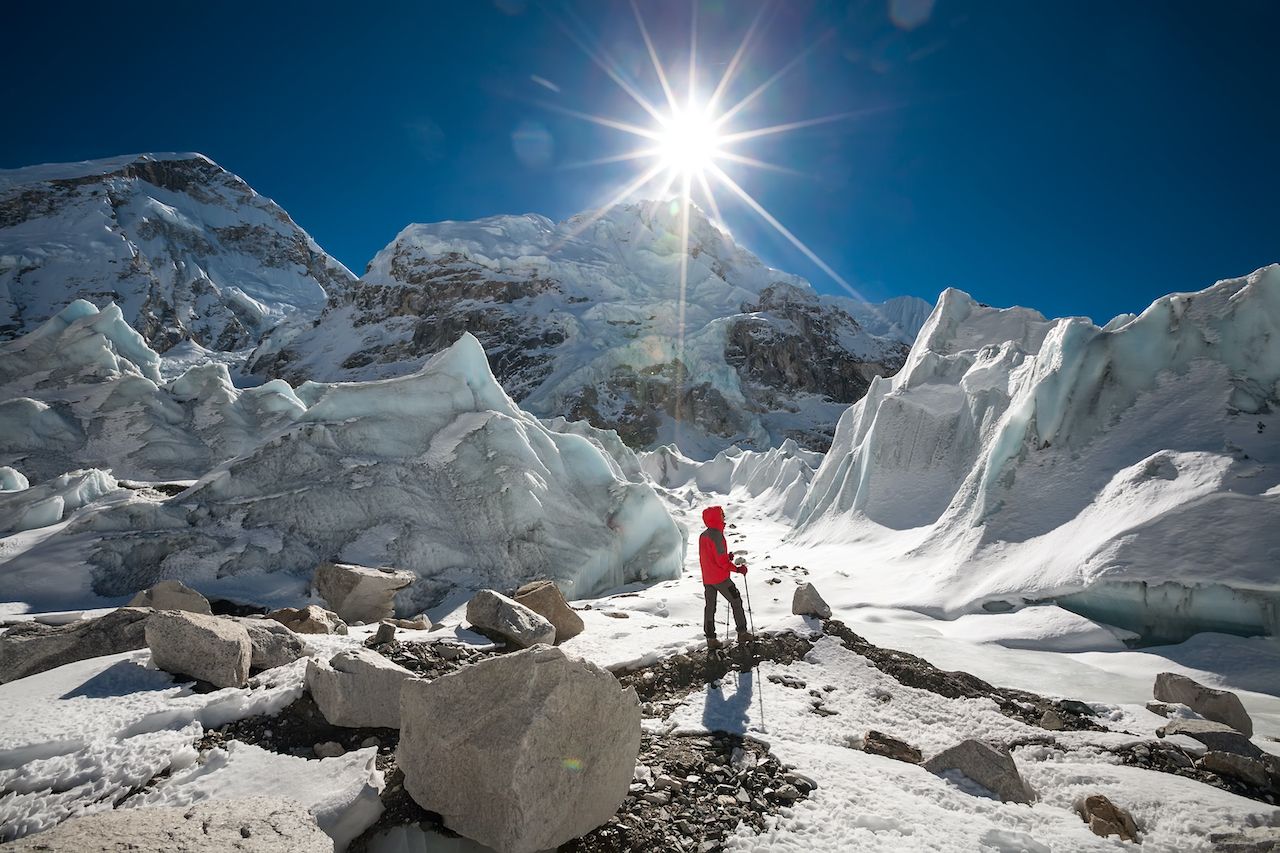
These glaciers crown the highest mountain range in the world, and are the source of the seven largest rivers in Asia. If you’ve been gearing up to plan your Himalayan glacier trek, you might want to go soon: if the present rate of melting continues, a large number of them may disappear by 2035.
7. Machu Picchu and the Inca Trail
Photo above by kudumomo
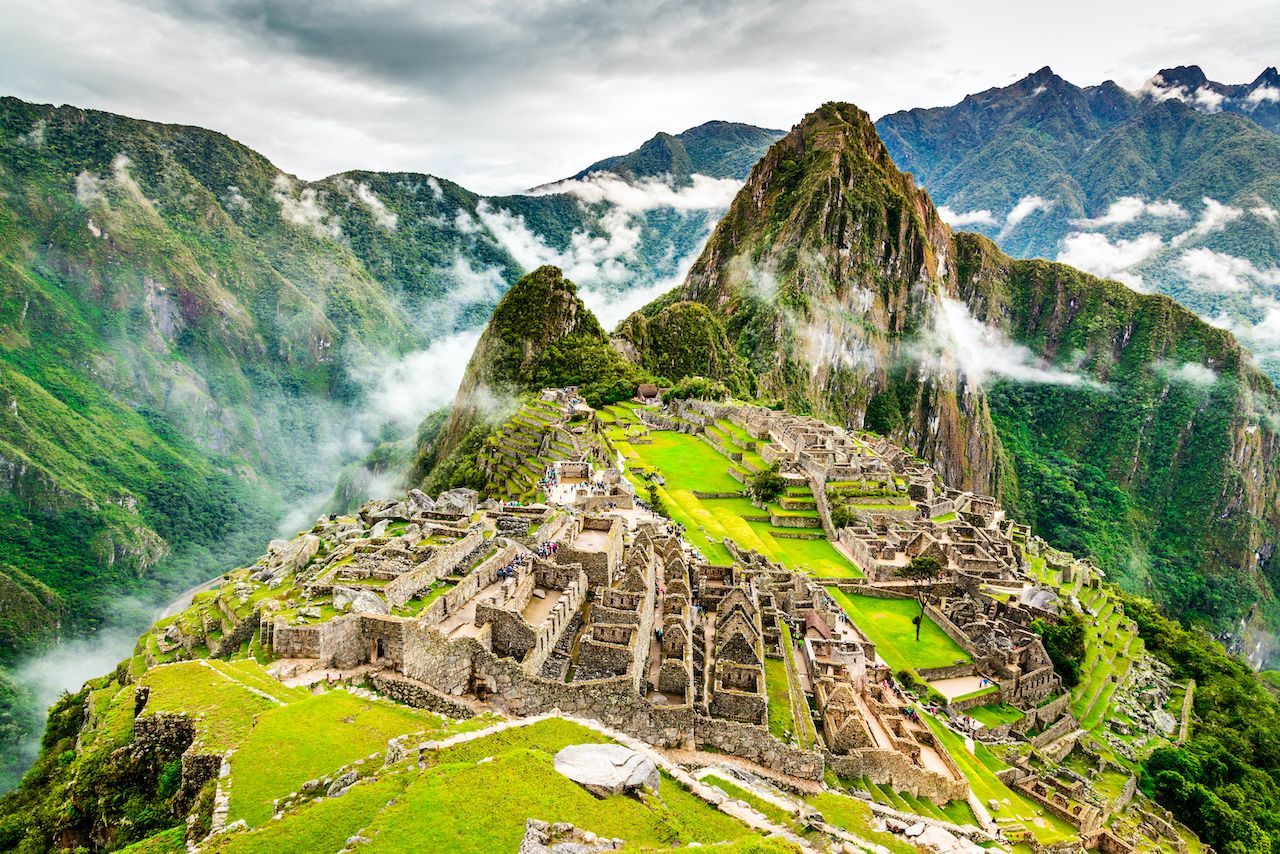
The remains of this ancient Incan city are one of the most beautiful and enigmatic sites in the world. The ruins are rapidly being worn down by the thousands of tourists treading across its stones, and this unbridled growth in tourism is irrevocably damaging the site- including the Inca Trail which leads to Machu Picchu itself.
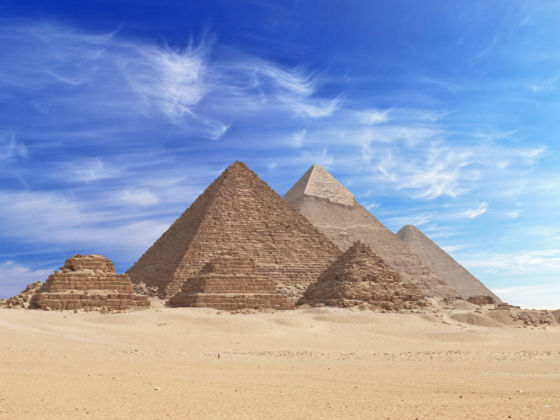
8. The Pyramids of Giza
Photo above by Wikimedia Commons
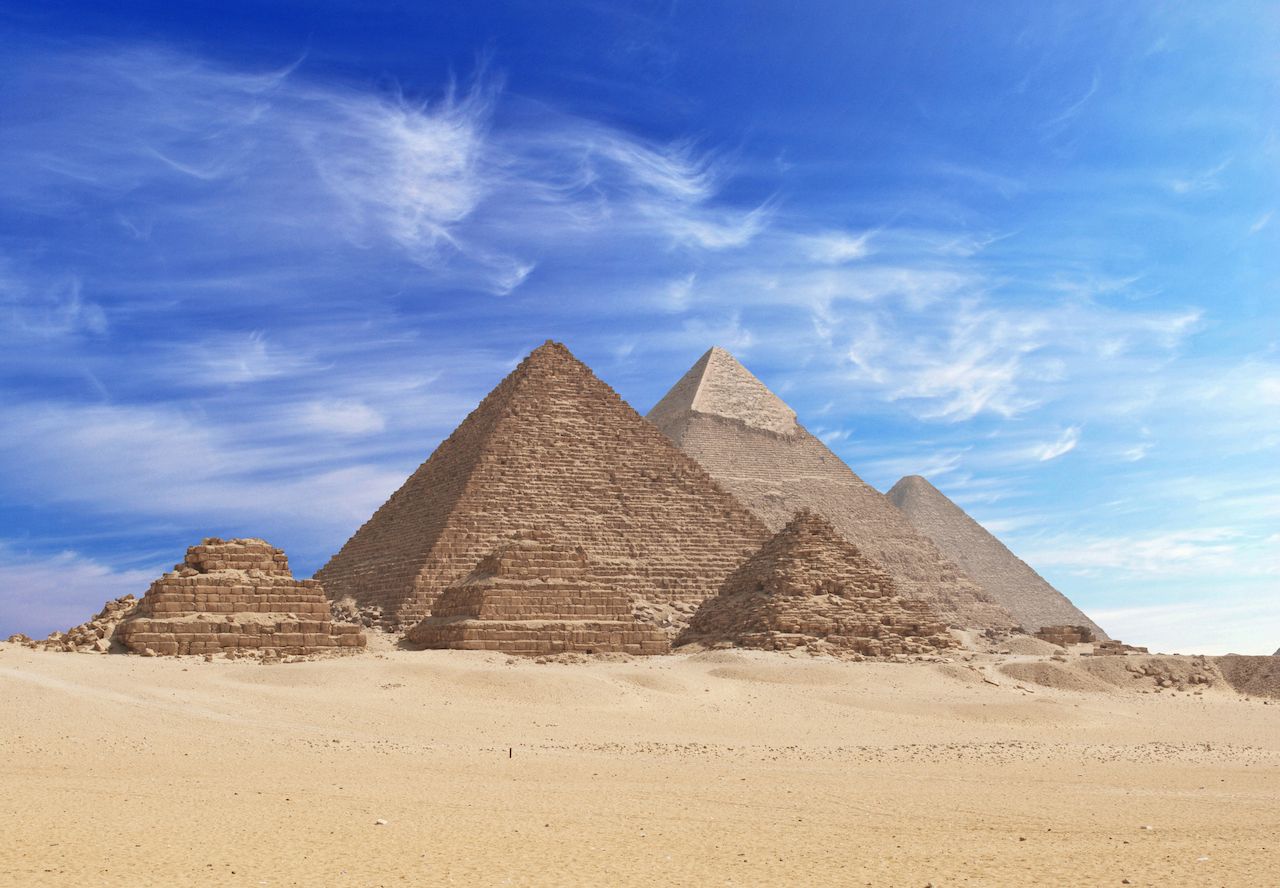
The Pyramids of Giza and the Great Sphinx are some of the greatest marvels of ancient Egyptian architecture. Yet, unrestricted development and urban sprawl from nearby Cairo threaten the ancient pyramids and the Great Sphinx. Air pollution eats away at the magnificent structures, and sewage from adjacent slums weakens the plateau upon which they stand.
9. Amazon Rainforest
Photo above by vaka0627
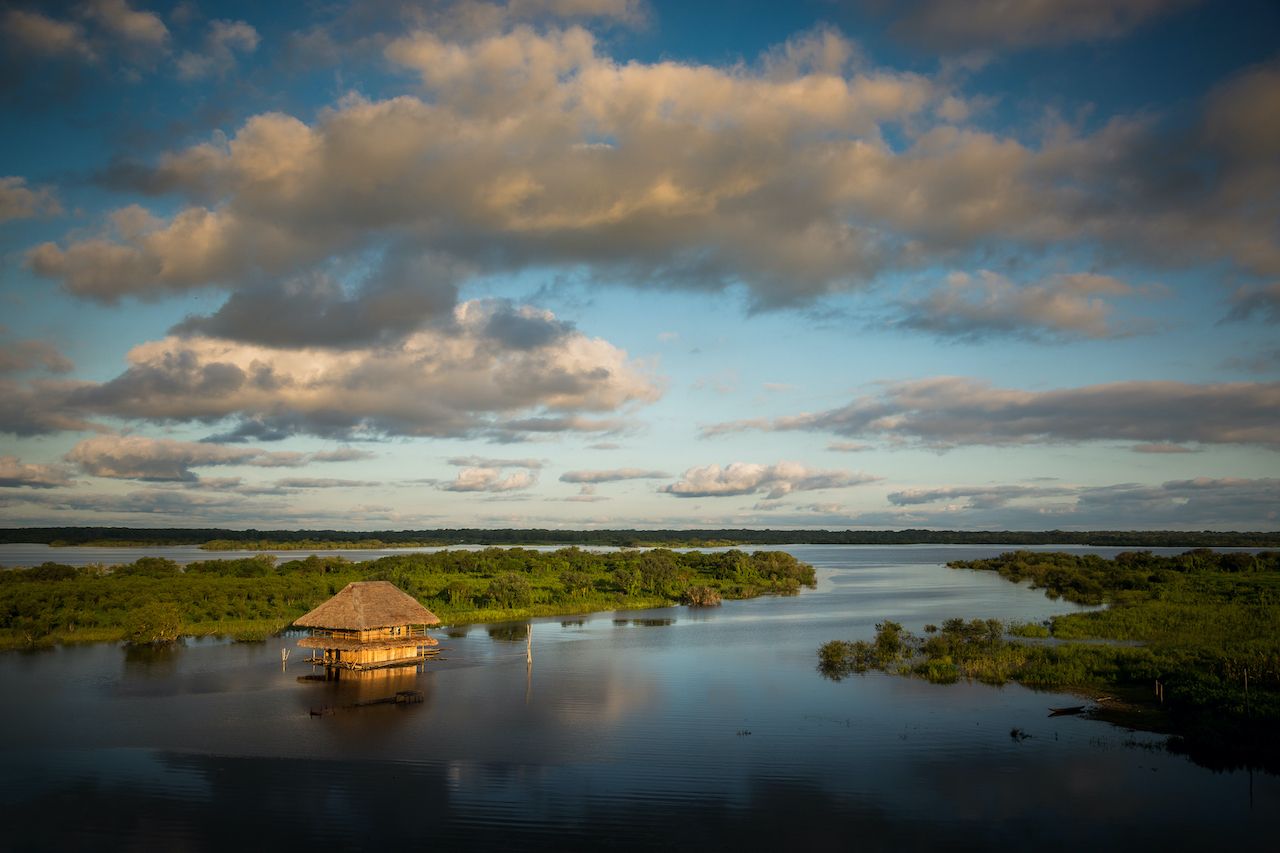
The Amazon rainforest alone produces more than 40% of the world’s oxygen and is the largest and most species-rich, diverse ecosystem on earth. It is estimated that the Amazon is vanishing at a rate of 20,000 square miles per year. If nothing is done, the entire Amazon could well be gone within 50 years.
Community Connection
The question remains: How can we visit these places without contributing to the very factors that accelerate their destruction? A good starting point is to find volunteer programs that align you with locals in everything from habitat restoration to education. Another consideration: choose alternatives to flying.
About the Author
Related Posts
23 Comments... join the discussion!
-
-
Beautiful spots, tragic that 20-30 years from now we may barely recognize them. Nice work Kelly – get to as many of them as you can!!
↵ -
Your question at the end of the article is definitely critical–how can we visit without contributing to destruction? Because it seems a little bit fatalistic to me to suggest visiting places being destroyed by tourism before they're destroyed–the implication seems to be, well, they're already on the way out, so go ahead and join the masses before they're totally gone. Wouldn't it be better, instead, to avoid visiting them or look for ways to visit sustainably, without contributing to the damage?
↵ -
wow. I need to get my travel on soon! These places are amazing. Thanks for the article!
↵ -
Wow! Beautiful, unique spots that inspire me to get out of my bubble and savor the treasures of our planet. Such a shame that the next generation may never get a chance to experience them. What can we do to help preserve them?
↵ -
This is a wonderful list…but terribly depressing.
↵ -
You forgot the Galapagos Islands, with the growing tourism getting out of hand the isles are definitely becoming just another resort place rather than the place where Darwin found inspiration and evidence.
↵ -
wow! makes me want to quit my job, take out a large loan and go see all these places before i cant … i agree with Natalie – very depressing.
↵ -
The pyramids have survived over 3000 years, I find it hard to believe they’ll be gone in the next 30.
↵ -
Depending of how they manage to stop the problem, Angkor Wat in Cambodia is also going to get ruined by a bunch of idiots sitting on the fragile carvings on the temples. Either that, or the jungle will take back the temples (There are too many to maintain!)
↵ -
How about Venice before the rising ocean levels inundate the city?
↵ -
4. Indo-Pacific Coral Reef, couldn’t find a pic of a real reef? I think the eggcrate in the upper left is a transplant
All of those corals -are- indo-pacific natives though!
↵ -
There are a few studies that show that left untouched for 10-15 years rain forests pop back up. Many farmers in South America are leaving for the city and it takes almost no time before the farm land is unrecognizable. The one issue though is what grows back. They are finding that the species are slightly limited and forming a “new” rain forest.
Also not being one for conspiracies, i do have to ask this one. Archeologists have discovered a well preserved map of the the physical land mass that is the Arctic. How they were able to know what the land looks like raises many questions to whether or not climate change happens regularly or not.
But in the end, good list. I like to at least see pictures of places i will never be able to see (due to finances).
↵ -
you left of new orleans!
↵ -
Thanks for making this interesting list! I totally agree. and I think Angkor Wat should probably be number 10.
↵ -
Hi All! I’ve been to the Amazon Rainforest and the Pyramids of Giza. Exaggeration is a fun game, but here is a more reasonable word. Better visit these places within the next million years or they might be gone. The pyramids are not going anywhere friends, short of a nuclear bomb. Rainforest has been cut extensively, and it grows back fast too. I would also like to see if Tuvalu and the Maldives “disappear.” I doubt it. This website will disappear though.
↵ -
don’t forget to fly to each of these locations, to get there quicker.
↵ -
Great list! I think the Banawe Rice Terraces in the Philippines should also be included here.
↵ -
tobacco caye, belize, you can run across the island in a minute, literally…its beautiful
↵ -
I’m not sure that we should go to places like Machu PIcchu where too much tourism is such a big part of the problem. I’ve written about this here: http://www.roamingtales.com/2007/12/09/should-tourists-visit-perus-incan-ruins/
On the other hand, in some places tourism can be the saviour that stops other uses such as logging.
↵