Photo above: Martin St-Amant, Feature photo: Rick McCharles
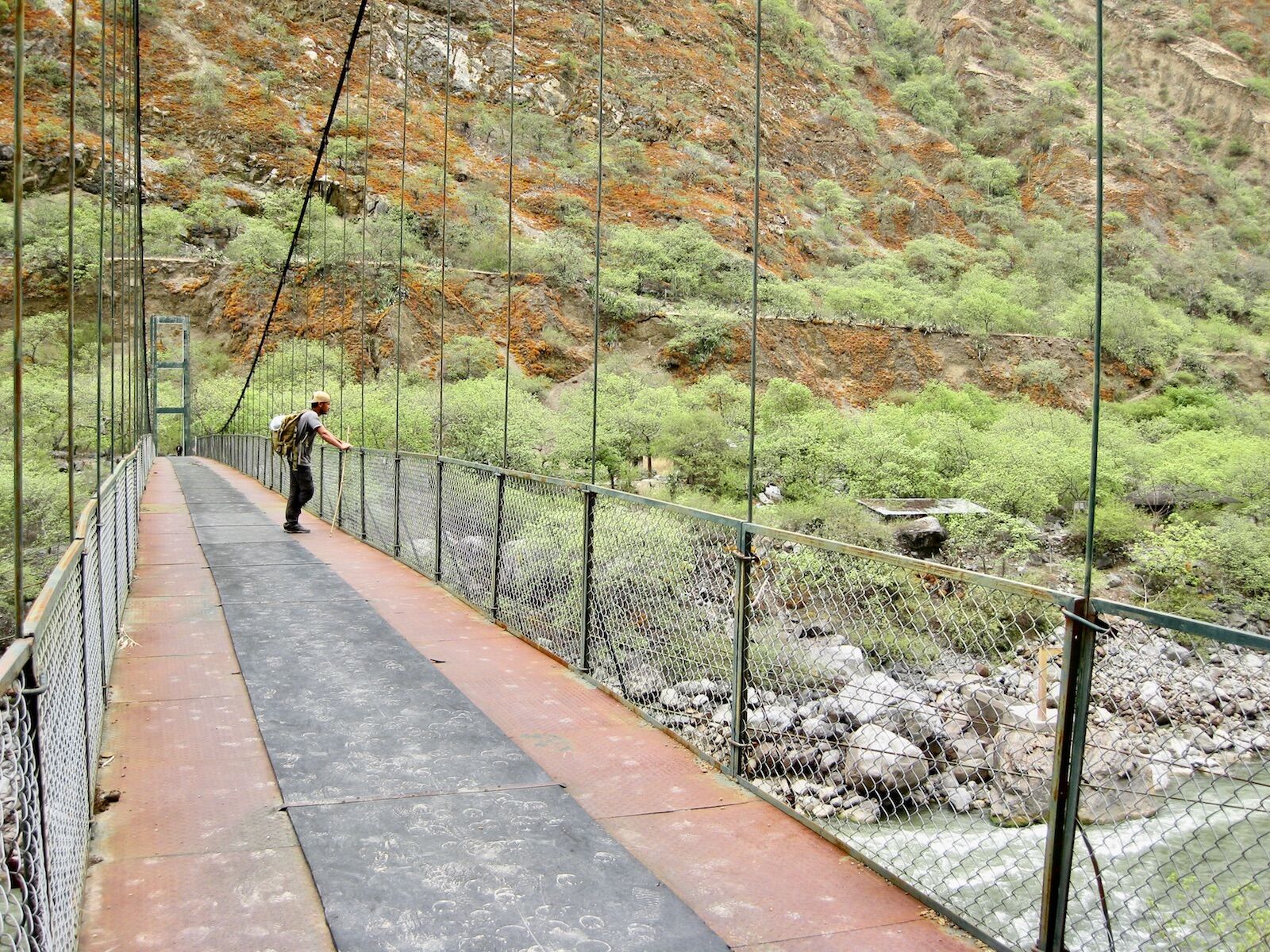
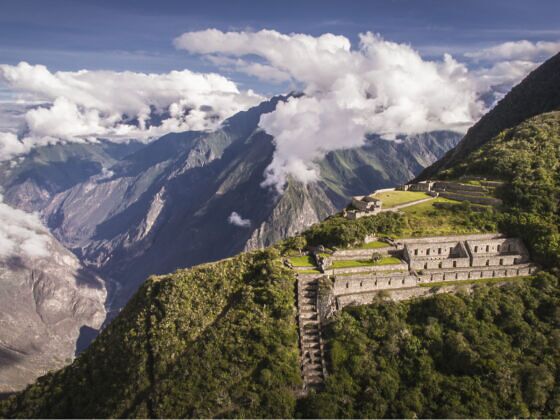
Restoration to this small Incan city only began in the ’90s. The first visitors had to cross the Apurímac River via a rope bridge to reach it.
During a typical afternoon at Machu Picchu, you’ll be one among hundreds (if not thousands). At Choquequirao, you might see six or seven other visitors, if any.
While the ruins currently sit under the radar, their recent addition to the tour rosters in Cuzco means they won’t stay there forever. There’s also talk of building a highway to the site within the next 10 years. Consider yourself warned — get there now.
Practicalities
Choquequirao lies northwest of Cuzco, on the opposite side of snowy Mt. Salkantay from Machu Picchu. Access is via the highway to Abancay.
Photo: Rick McCharles
The trek has become standard fare among tour operators in Cuzco, running around $200 per person, all-inclusive (minus tip, of course). Remember the general rule: the farther you wander from the main plaza, the less you’ll pay.
Of course, it’s possible to visit the ruins on your own. Knowing some Spanish is helpful, but the destination is popular enough now that most people will know what you’re doing and be able to help.
Hop an Abancay-bound bus and ask the driver to let you off at the turnoff to Cachora, just after the Saihuite archeological site. From there, flag down one of the frequent taxis that make the short journey to Cachora. There’s basic accommodation in the village if you need it.
From the plaza, follow the main road downhill, continuing after it turns to dirt. Soon, you’ll see a blue entrance sign pointing you towards the path to the ruins. Once on it, it’s nearly impossible to get lost.
Independent hikers will need to pay two different access fees along the trail, as it runs through Apurímac and Cuzco Departments. Each is around $12 per person.
Come prepared — you’ll be experiencing vastly different elevations and ecosystems, so both mosquito repellant and a warm sleeping bag are advisable.
The Trek
This is no saunter down the Inca Trail.
Photo: Nelo
From the village to the ruins and back, you’re looking at 74 km (46 miles). But it’s the elevation changes that really kill.
On the first day, the trail drops 1,800 meters (6,000 feet) to the floor of the Apurímac River valley, only to climb even higher on day 2. Then, you do the whole thing again when it’s time to leave.
Don’t let your guide — carefully trained in “exhausted-tourist encouragement” — fool you. This is tough stuff.
Most tours run 4 days/3 nights, but duration depends largely on your ability. Some people take 5 or even 6 days. I did mine in 3…barely. True speed demons (and the clinically insane) have been known to make the round trip in 2.
As with any tour in Peru, the more time you can spare, the more you’ll explore and discover. And in this case, the more your body will thank you when you’re done.
Photo: author
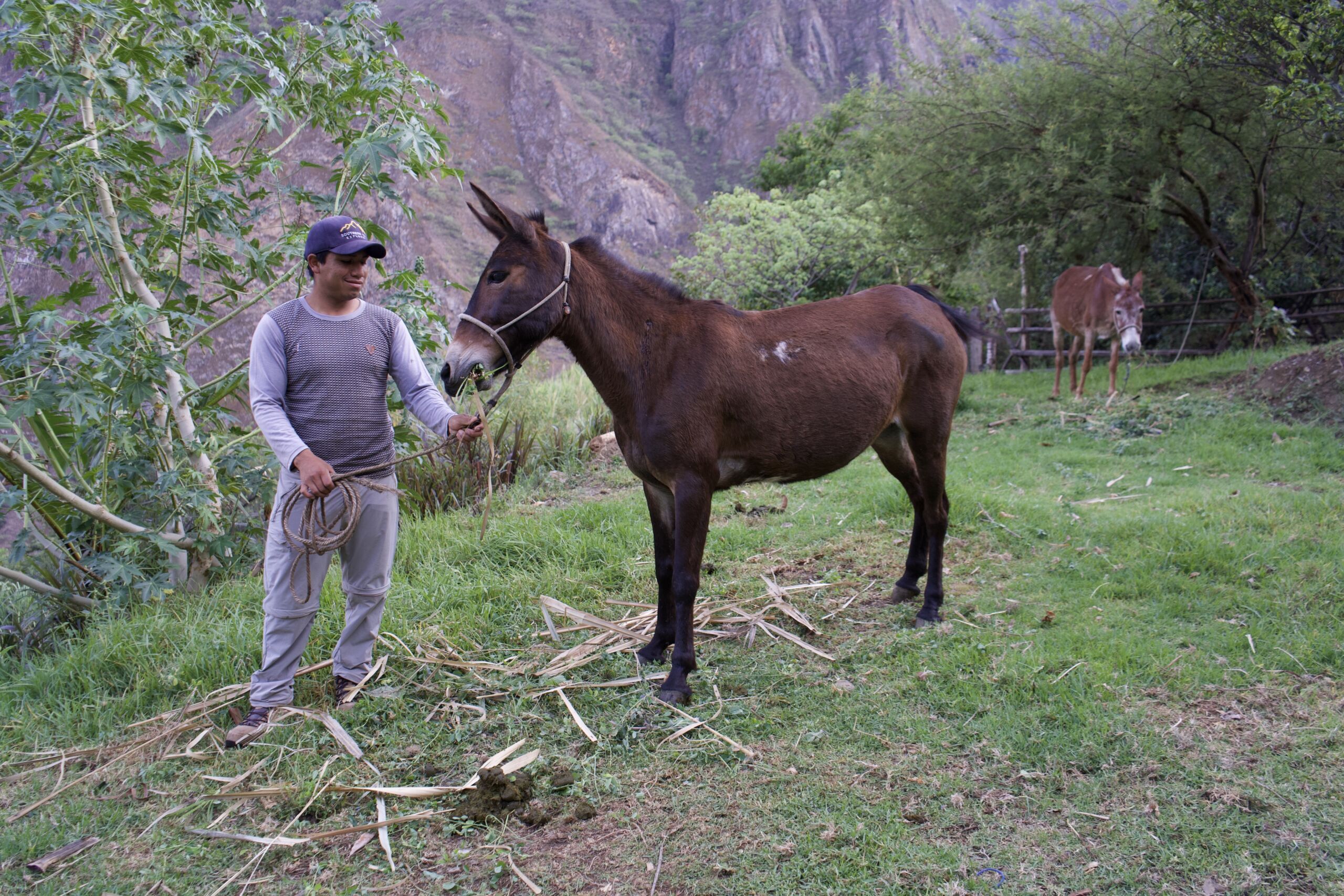
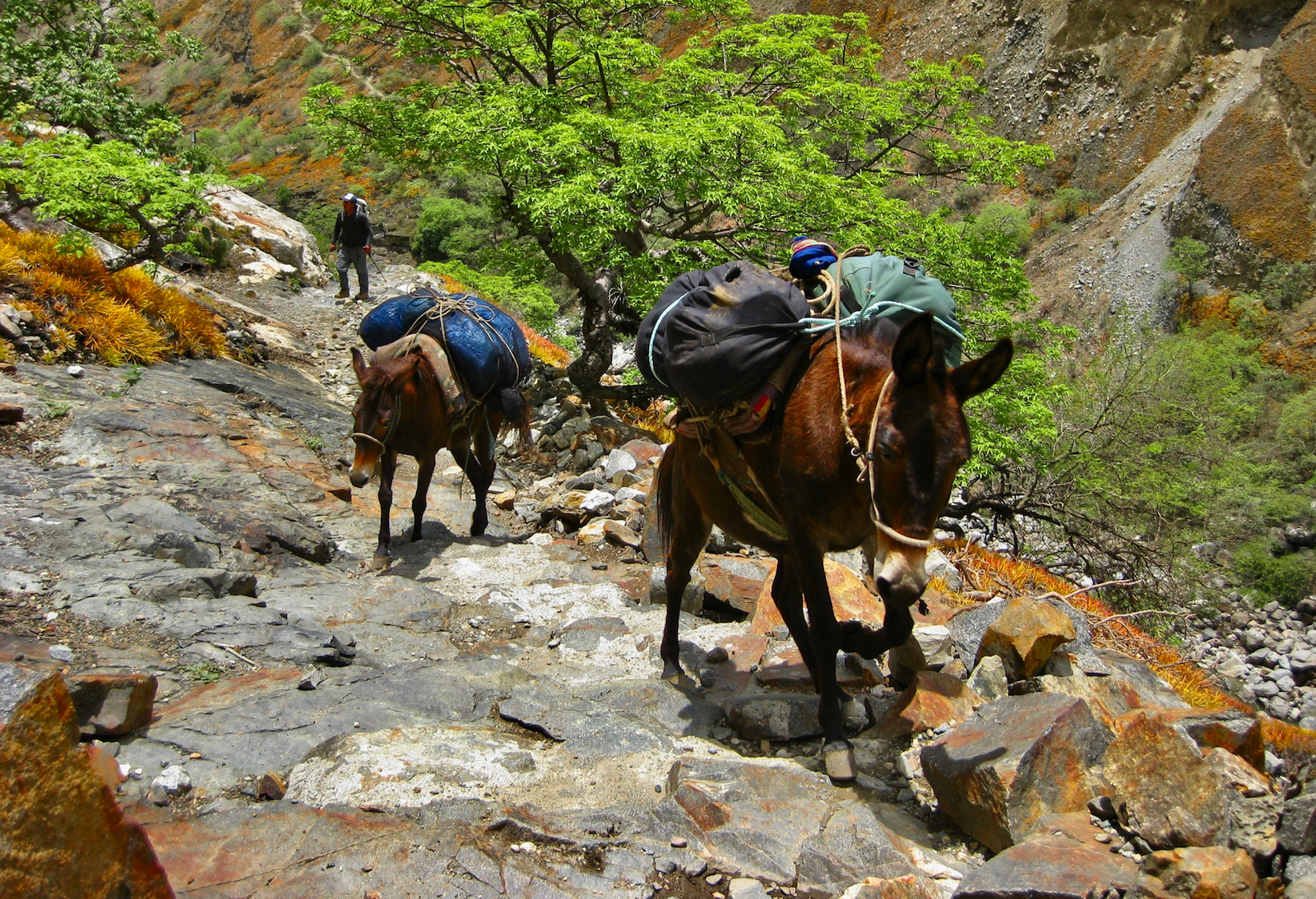
Speaking of sore bodies, a better option for independent trekkers than lugging a 30-40 lb. pack is to hire a mule in Cachora. This is how gear is hauled if you go with a guide — there are no porters.
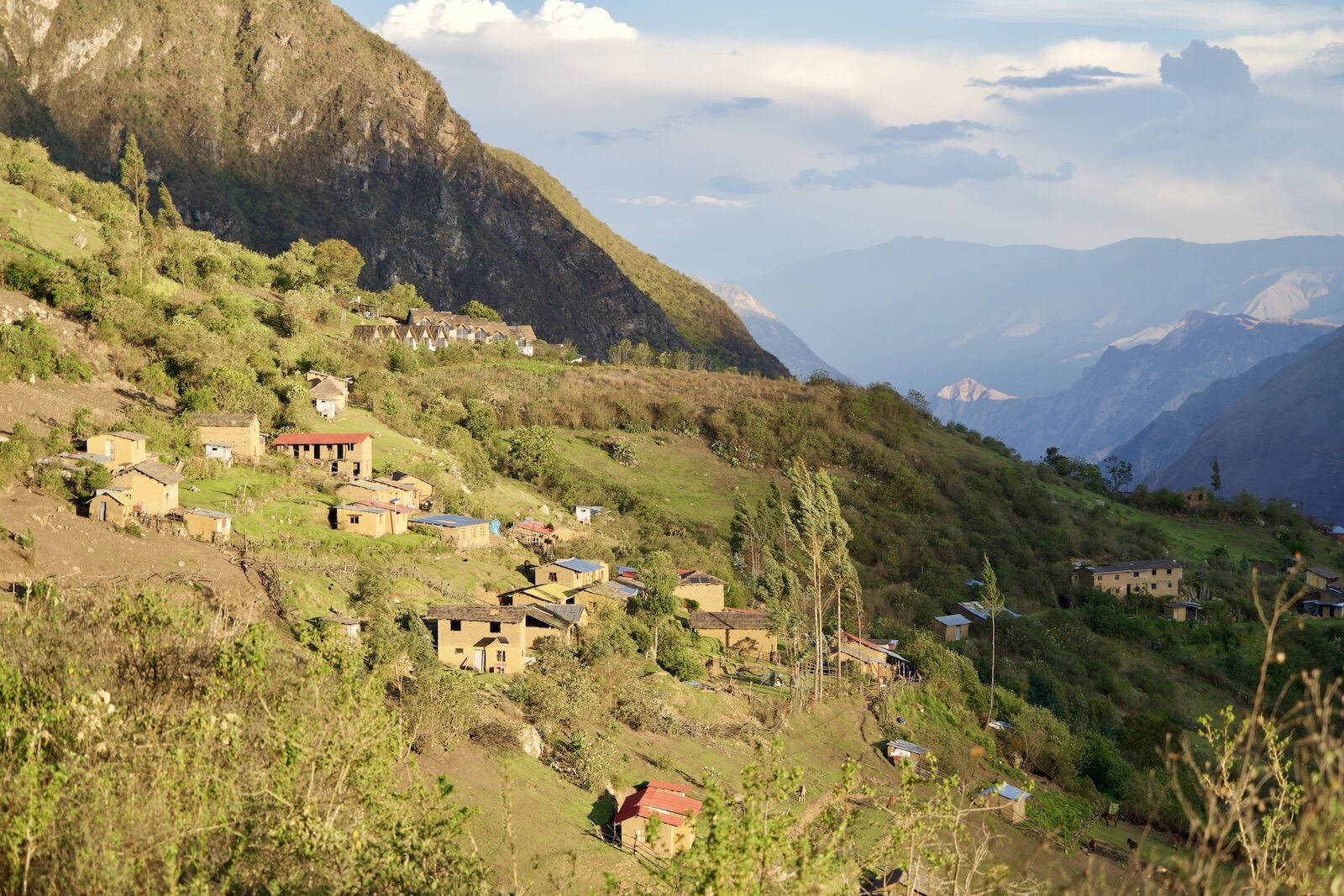
Campgrounds are plentiful, with three near the river on the Cachora side, a few at varying heights on the mountain opposite, and at least one at Choquequirao itself. They charge a dollar or two per tent, per night.
The best is at Maranpata, at the end of day 2’s long, steep climb. The open views are tremendous, though this makes it a bit chillier.
Bonus adventure
For those who truly want to immerse themselves in the land of the Inca, you can turn this into a 9-day trek that ends in Aguas Calientes (Machu Picchu town). From Choquequirao, the trail drops and climbs a few more times, passing other minor archeological sites en route.
My guide told me the Choquequirao-Machu Picchu trek is incredibly strenuous, but he also called it the best trek in Peru. Only a couple hundred people do it each year. Compare that to the 2,500 descending on Machu Picchu every day, and you’ve got yourself some serious isolation.
Photo: author
The Ruins
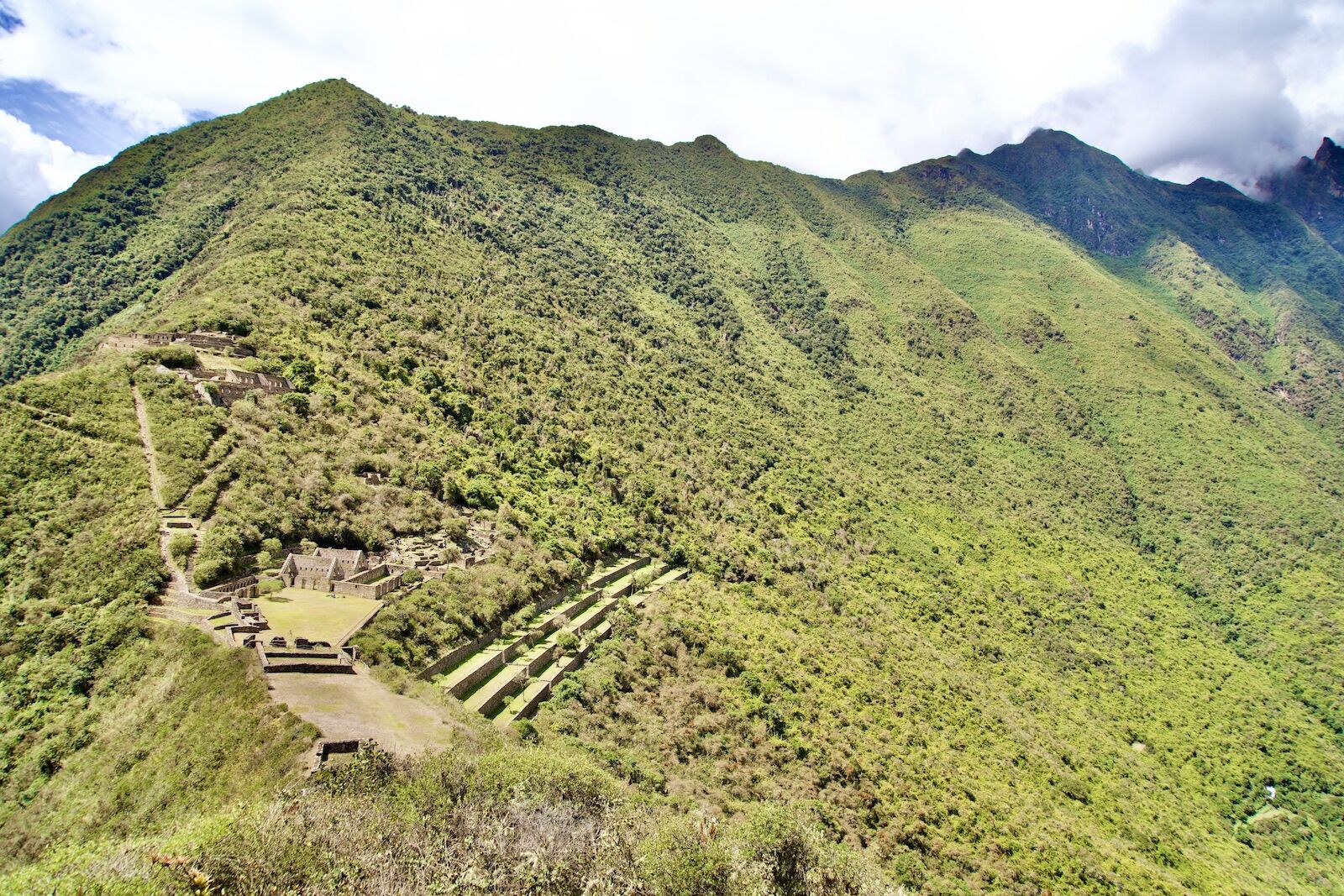
Some ads claim that Choquequirao is “bigger than Machu Picchu,” but this refers to the mountain itself, not the ruins.
Choquequirao was a small city, about 20 families strong, and has nowhere near the number of structures as its famous cousin.
However, because restoration began only recently, there’s likely much more still hidden by jungle.
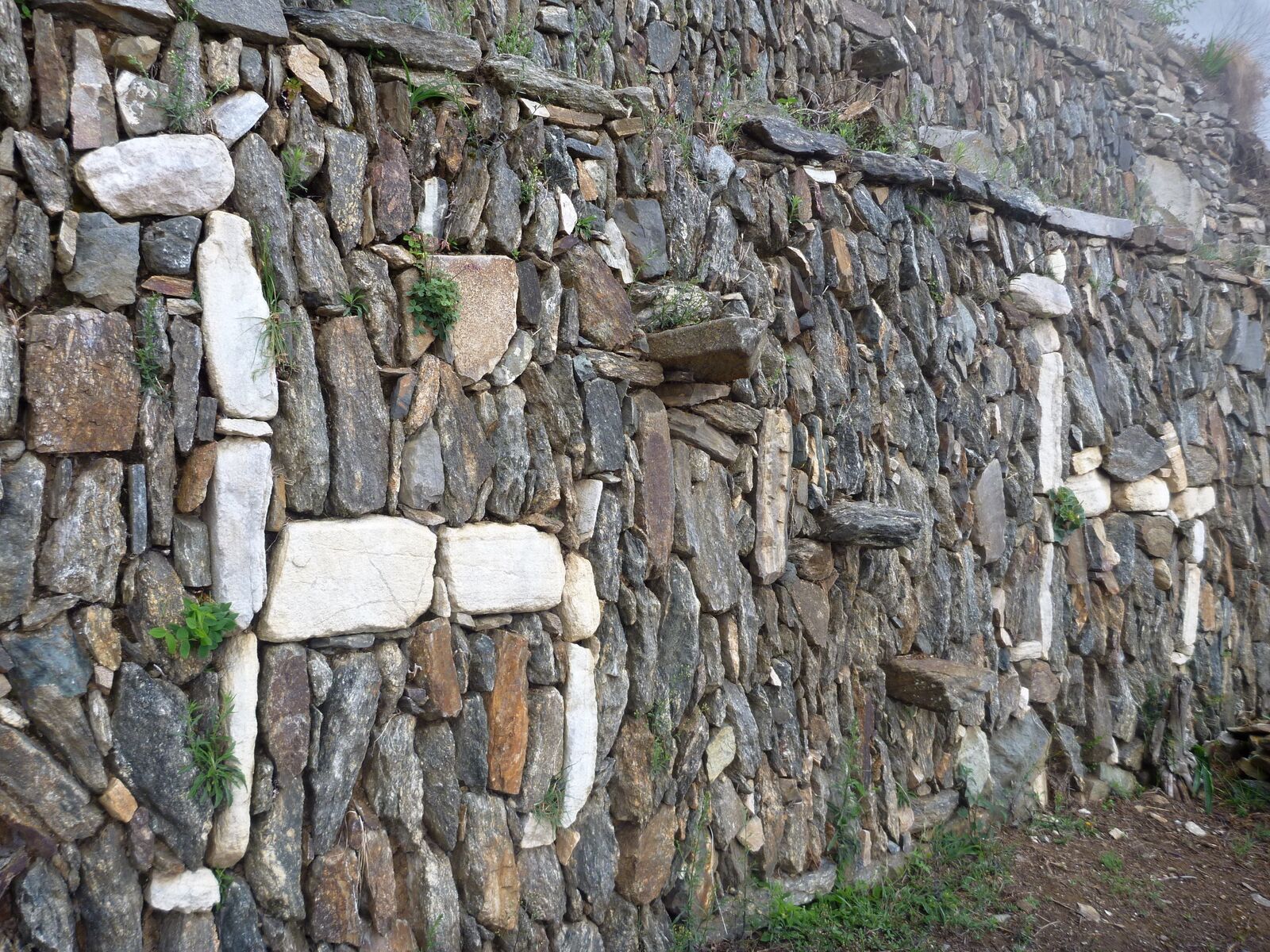
Though your legs may be resisting at this point, make sure to follow the path that drops steeply on the far side of the ruins, which will lead you to a series of terraces. These original stone walls are decorated with white rocks that create the figures of llamas.
Photo: andyinsouthamerica
You won’t find these at Machu Picchu, or anywhere else for that matter.
But the real attraction of Choquequirao is simple: there’s no one there.
Apart from a few teams of restoration workers and one or two other small tourist groups, you’ll have the quiet, magnificent ruins all to yourself — almost as if you were discovering your own Machu Picchu.
Community Connection
Regardless of how many Choquequiraos become available to tourists, the classic Inca Trail to Machu Picchu trek will remain the biggest draw. Trips has what you need for this itinerary too. Make sure to check out How to Trek the Inca Trail and Machu Picchu on the Cheap.
About the Author
Related Posts
28 Comments... join the discussion!
-
-
Read about this when I visited Peru, fascinating and looks fantastic, would love to go back to Peru and make it there one day!
↵ -
I am so excited to have found this article. We leave for our RTW trip in a few weeks. This is the kind of hike we love. It’s added to our list!
↵ -
My boyfriend and I did the 9-day trek from Cachora to Aguas Callientes 2 summers ago. It was by far the highlight of our trip to Peru and I think the best trek i have ever been on. If you think Chocoquirau is off the beaten path, be prepared to see nary a tourist for the next 4 days after leaving Choco.
Some things that were left out of this article. The ONLY way to get to Choco is by hiking in, there are no roads, which is (for now) keeping it very isolated. No joke about bringing bug spray. There are tiny bugs that look like fruit flies, but bite and leave behind little blood blisters (in my case which swelled up and were seriously painful). Only 30% of Choco has been restored, most of it still lies under the jungle. I wouldn’t be surprised if it is bigger than MP. There still are a good number of people at the campground so don’t be expecting total isolation.
For the nine day trek be prepared for some serious elevation gain. Here is basically the itinerary.
Day 1- Dropping into valley below Choco (fairly easy)
Day 2 – Straight up the mountain to just below Choco
Day 3 – Visit Choco, continue over the mountain (involves bushwacking) and all the way down to camp at the river.
Day 4 – Up. All day.
Day 5 – Continuing up, through dense cloud forest, then all the way down.
Day 6 – A very long day, over a 4200m pass, past old silver mines, and back down, visiting a natural hot spring for a bath. This is where you cross the Salkantay trail.
Day 7 – Flat along the river valley, with lots of orchids. Your camp for the night is where Salkantay trekkers hop on a bus to go to a hotel with hot springs. This is the first time you have seen a road since Cachora.
Day 8 – You still have to go over 1 more mountain, following an old inca highway, stopping at some small ruins across the valley from MP, you can actually see the back side of it. Down through coffee and banana plantationsTake the train to AC.
Day 9 – MP. I recommend taking the 5 am bus up, there is no point trudging up the road in the dark, especially if you want to climb Wayna picchu.Seriously, it is the best trek I have ever taken. Chaska tours is one of the best tour companies in Cusco, reliable, professional ethical and sustainable. They pay the guides the best of any company and make the porters bring the garbage back to the office (many companies just dump it by the side of the trail). And the meals are fantastic.
Get in shape and go. You won’t regret it.
↵ -
Sounds like both Hal and Lindsey did this trek with a guide. Would you advise that it’s manageable without a guide?
↵ -
Definitely manageable. However, as I mention in the article, unless you’re super fit, I recommend either going light or hiring a mule (not exactly sure how that works but I was told it’s possible). Lugging a full pack up those slopes might be some people’s idea of torture.
↵ -
Packing 9-days worth of food is heavy, but we are definitely considering this.
↵ -
We saw a French couple on the trail who were doing it alone. I wouldn’t say I recommend it, though it is possible. If you have the money, getting a guide increases the pleasure a million-fold. Our tents were always set up when we reached camp, hot coca was waiting and our cook made some of the best meals we had in Peru.
The couple we met on the way were trying to do it totally unassisted (no mules even). They said they had trekked through Tibet and didn’t think this would be a problem, but after 2 days hired a mule in one of the small villages.
If you do attempt it solo don’t worry about food. Bring some rations in case you get stuck, but for a small fee most of the villagers along the way will set you up with a meal and a place to camp. Same goes for water, although I would suggest bringing water treatment supplies in case of an emergency.
But as I’ve said, if at all possible I would suggest hiring a guide, its expensive (between $750 and $1000 – Canadian – depending on group size, when we went) but really really worth it. And Chaska Tour’s (see above post) guides are generally really knowledgeable about local history, mythology and nature, which also goes to make the trip that much more educational.
Best of luck, you will have a fantastic time.
↵ -
Unlike the other commenters, I won’t be doing this trek–maybe 30 years ago it would have been fun for me 8-). But I love reading about it and enjoying it vicariously. And the llama rock sculptures are so cool! Those Incas knew how to mess with rocks, didn’t they?!
↵ -
Impressive, Hal! I, too, will experience this only vicariously . . . sounds like quite a trek – wonderful photos – love those llamas rock sculptures, too! Glad to know this exists. We’ll be doing the touristy thing in MP in a couple of weeks. Should we be prepared to meet cousins of those little pesty bugs while we’re in Aguas Calientes?
↵ -
Nope! AC was bug free (in early June, anyway).
I didn’t know you were heading to Peru–have a blast!
↵ -
Looks amazing….I’d need to get in some serious shape before attempting this, though!
Thanks, Hal!
↵ -
Hi Lindsey,
I carefully read your instructions about the 9-day trail to MP through Choquequirao. I’m keen of trekking by my own around January 2010 and – though you dissipated almost all my doubts – I still have a question:
When you say you would recommend hiring a guide (and a mule), you say it also for safety reasons – as in getting lost into the woods? You mentioned some bushwacking after you leave Choque, isn’t the path marked with some coloured stones or sticks? Furthermore, it seems you won’t encounter (fortunately!) almost any turist, but you mentioned you will find small villages en route where you’ll be allowed for camping and water reload – that means you can carry a lighter weight on your shoulders, can’t you? I fare quite well when it comes to hiking high mountains with heavy weights (I trekked 5 days in Torres del Paines and reached the Volcan Lanin summit in December 2008) but I’m not that good at “making my own path” by moving rocks or cutting bushes.
Thank you so much for your time, Lindsey
Alessandro
P.d. Jason, want to go together in January? I live in Buenos Aires, I’ll backpack through north of Argentina and Bolivia before reaching Peru, what do you say?
↵ -
I wouldn’t say hiring a guide is much about safety, its more about getting a better understanding of the country you are trekking through — and the comfort of having someone else cook your meals, set up your tent etc!
Only you can decide if you are in shape enough to do the trek without mules, but you will still be carrying a few days worth of food, since not every stop has a village, plenty of water since it can get smoking hot, a stove, your tent etc. Again, I’m sure it is possible — just maybe not enjoyable.
I think you don’t have to bushwack — it just happened to be a short cut our guide took us on so we didn’t have to climb so far.
Good luck!↵ -
Hi Lindsey,
Thanks heaps! I think I’m going alone, cooking your own meal and setting up your tent is part of the game, isn’t it?
Good luck to you.
Ale
↵ -
Good day to all,
Thanks to Hal for sending me this link,
My girlfriend and I are going Oct 1st, we are very budgeted and wanted to know about doing this trek. I do not mind hiring a pony man but I would prefer to find a local somewhere before we start as $1000 a head is way out of our budget.
Anything more you can share with me??
I am a experienced traveller and have done 9-10 day treks before, I just wantto find the cheapest/most comfortable way to do things. I like having a local working with me, I am sure I would pay him more then any travel agency if I knew where I could find the man.
Beta????
Can we still get up to Macchu Picchu if we do this trek? I know you are suppose to get up to Macchu via reservation, how does this work?? Can we just show up and still find our way up there???
Cheers everyone↵ -
Hi Jordy,
The guides that Chaska hires are locals and most speak Quechua, they also pay the most of any company (all the guides want to work for them full-time — this comes from a guide not the company). If you want to go yourselves I would suggest that the cheapest way would be just to hire mulateers and no guide. That way you can pack enough to be comfortable and not have to carry it. And likely you can find someone with a mule that knows the way. The trek ends at Aguas Callientes (the town at the base of MP) and the last day of the nine is spent at MP. You just won’t get to come through the sun gate with the hundreds of Inca Trail trekker — no big loss in my mind. You don’t need a reservation to get into MP, just to do the Inca Trail. One suggestion though, if you want to climb Wayna Picchu take the very first bus (5 am or something) so you make sure you get in line for WP as they only let so many people up a day and the quota is usually full by 8 am.
Good luck, have fun!↵ -
My husband and I are regular backpackers getting ready to do the 5-day hike unassisted (starting tomorrow). Read this article last month while in Ecuador and have been looking forward to the hike. We did the Inca Trail with Wayki Trek last week (highly recommend them), and I have the contact information of a wonderful guide who can be hired to do other treks semi-independently. Will let you know next week how the hike turns out for us, and if we change our minds in Cachora and hire a mule!
↵ -
Please send what information you can, this is exactly what I was hoping to find out. Hope your trek is great and you see many beautiful things. how much does your guide and/or pony man are?
We are so getting ready to head out there and are very excited. Your beta would be fantastic and greatly appreciated.↵ -
Well, the trek was FABULOUS and completely do-able independently IF you are an avid backpacker and are used to steep terrain. My husband and I did the trek comfortably in four days, with no guides or mules. We simply caught a bus from Cuzco to Cachora (15 soles, 5 usd), and followed the author´s route as described in this article. We have very light gear and are used to carrying our own things, otherwise I would suggest arranging a mule or two in Cahora (very do-able). There were the little biting insects as described earlier in the comments, but they weren´t as hideous as I had imagined. The entire trek was absolutely amazing, and tons better than the Inca Trail that we did two weeks ago. But do realize that people aren´t kidding about the elevation. It is tough (but doable for good hikers).
If you´d like to read our entire trip report with pictures, please visit our blog at http://www.nakedsouthamerica.com/?p=453
Do the hike, you won´t regret it!
↵ -
Thank you so much for the updated email/notes. Couple questions though, if you did it in 4 days did you camp or stay in villages in between? Did you carry stove for food etc or did you eat along the way in villages etc? I would like to go fast like you did but also take minimal gear, I was thinking bivy bags for emergencies and just spending money wen we hit villages for food etc.
Could you enlighten me on this??
I am going to read your blog tonight/thi weekend and take what I can from there.
Thank you all for your advice beta, glad to have met all of you..The inca trail, you had to reserve I assume?? Where did you go and how much did you pay? Was it worth it or should we just work on getting up to MP solo bus/taxi, we are extremely tight for money
Big hugs↵ -
Alessandro,
I’m living in Montevideo and my Uruguayan roommate and I are planning in meeting in Lima January 5th and then working towards Cuzco, and I’d really like to do this 9 day hike! What part of January do you think you’ll be there? Where else in Peru are you wanting to go? Maybe we can travel some together or share a mule to make the trek easier!
Braden
↵ -
Hi Braden,
I’m thinking to postpone my trip, due to rainy season (December-March). I’m planning to reach the Bolivian-Peruvian border around the 20th of February.
Ale
↵ -
Dale, yo lei q el salar esta aun mejor con la lluvia y no tenemos otra opcion, pero contactame por este post si cambias tus planes de nuevo. Suerte!
↵ -
Some advice from the guy (me) who took the top picture : Go to Cachora and hire a mule (40 s/ per day) with a mule driver. My mule driver was named Augusto, and I highly recommend him. I did the trek back and forth to Choco in 2.5 days, but I do not recommend to go that fast, since you have no more energy to visit the ruins… (I only saw the top portion of the ruins… shame on me) Was my first multi-day trek, and Augusto took care of everything : choosing food with me at the store before the trek, installing tents before my arrival, cooking food with his own tools (I had no cooking tools), etc.
The scenery was wonderful, but, since I saw MP 8 months before, those ruins left me a little on my appetite scenery-wise (I like compared to it’s big brother, especially given the amount of work needed to get to them. For the same feeling of being alone large-scale ruins, I would recommend a lot more Kuelap forteress, in the north of Peru. Not trying to break the party here, I’m just sharing my honest opinion.
Hope this helps
↵