Matador Trips

How To Trek The Inca Trail

Print This Post Print This Post       Written by Richard McColl

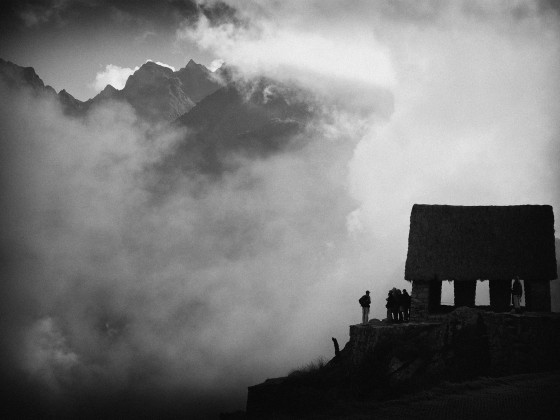
Machu Picchu, Photo by Richard McColl

Richard McColl has trekked the Inca Trail five times. In this guide, he tells you exactly what you need to know.

Recommend this on Yahoo Buzz!


The fable of an El Dorado shrouded in early morning mists draws hundreds of Patagonia-clad pilgrims of all shapes, sizes and ages to Machu Picchu every day.

The Inca Trail requires crossing summits of 4200m and descending over unequal Incan paving.

Machu Picchu is the most oversubscribed trek in the Andes and for good reason.

You need a little physical conditioning, the right gear, some enthusiastic guides and the warmness of the solidarity of the other hikers, but with preparation and good humor, the trek to Machu Picchu is one of the most rewarding journeys in the world.

Don’t get me wrong, this trek is not all peaches and cream. The Inca Trail requires crossing summits of 4200m and descending over unequal Incan paving. You would be well advised to hit the gym for at least a few weeks before your trip.

What to Expect

Given the popularity of the Inca Trail, a pathway dating back to the 13th century, the Peruvian authorities have come up with novel ways of trying to spread some of the wealth of tourism to the local highland communities.

Put simply, even on the most no-frills tour you will be waited on hand and foot by obliging and friendly Quechua speaking locals who make up the Peruvian government’s solution to rural poverty and unemployment in the Urubamba valley.

Of the 500 locals permitted onto the trail every day, roughly half of these are working. So, should you sign up with one of the plethora of agencies offering the trip you will find that your guides, porters, chef, assistant chef and others all pretty much match the numbers of foreigners in your group.

“Porters” I hear You Say?!

Yes, ever since 2000 it has been made impossible to do the Inca Trail as a solo traveler. Don’t scoff.

After brushing aside the first day and its mild gradients, by halfway through the second day you will be grateful for your coca leaf chewing, sandal clad friend as you see him sprint into the distance ahead of you with your belongings.

As you fall into camp having bettered “Dead Woman’s Pass” at 4200 meters, and see your tent already set up for you with your sleeping bag laid out and you new best friend offering you a hot beverage, you will bless the Peruvian authorities for this most excellent regulation.

Photo by Richard McColl

Getting here and the Cusco

Generally speaking you need to have booked yourself onto the trek at least three months in advance, otherwise unless you are a lucky solo traveler who manages to sneak onto a last minute space, you will be found wanting and be pushed onto an “alternative” trail such as the Salkantay.

Cusco is everything from a party town to a cultural mecca complete with its ayahuasca toting shamans and baroque Spanish colonial churches.

Your next step after dusting off your hiking boots and outdoors equipment and going for a few runs around the block is to secure those flights to Cusco.

You will start in Cusco, ancient capital of the Incan empire, fondly remembered in “The Motorcycle Diaries” movie when a small indigenous guide, Nestor points out to the Che Guevara character the differences in the building capabilities of the Incans and the Spaniards.

Nestor tells Che that one set of stones was built by the Incas, and the other by the Incapaces.

Cusco is everything from a party town to a cultural mecca complete with its ayahuasca toting shamans and baroque Spanish colonial churches.

The town has something for everyone including many camping shops where you can stock up on last minute supplies.

The Trek Itself

Starting at kilometer 82 in the town of Ollantaytambo on the railway line from Cusco you show your passport and entry ticket for the trail and then you are off. This first day consists of a mere 11km with some rises and some falls, but for the most part is eminently manageable.

Passing the Incan levels and ruins at Llactapata gives you a flavor of the delights in store.

Day Two is the most vividly remembered portion of the trek as no one is quick to dismiss the ascent that takes you to 4200m and Warmiwañusca or Dead Woman’s Pass – so called because the silhouette of the valley resembles that of a naked woman lying on her back. (I have hiked the trail five times and only ever made out the nipple).

At the top of the pass, views of one valley herald furthers views of another and it is hard to imagine the stamina and duress of the Inca chaskis (messengers) who ran the trail delivering urgent messages between the Tambos (rest-points). Perhaps at one time they delivered the news of the arrival of the Spanish.

Dead Woman’s Pass, Photo by Richard McColl

Snap your photos, cheer on the others in your team and those about you and then descend rapidly to get out of the whipping cold winds thrown up at this altitude in the Andes and head down into the verdant cornucopia of the cloud forest.

A cold night beckons 600 meters lower in the Pacamayu campsite and undoubtedly an unfriendly morning on Day Three but the worst is clearly over.

Day Three begins with an hour and a half ascent up through to another pass to Sayaqmarka and while your humor might have reached critical levels you can take some solace in that now that you have completed this, you are well on your way to completing the Inca Trail.

Here the trail hugs the outside of the mountain wall and orchids of varying colors lighten your grey mood.

Just past Wiñay Wayna, where the Incas used extreme engineering to place cultivation terraces up a mountain wall and experiment to see which crop would grow best at which altitude, you will finish the third day and meet up with those trekkers only doing the 1 day course.

You will know who the one-day trekkers are, for being clean shaven and perfume scented is a dead giveaway by this point.

Day Four is not a day’s hike in the slightest. It is a study in human behavior prior to a two hour run to make it to Inti Punku or the Sun Gate.

Guides zealously block others from passing their groups, eager hikers arise well before 5.30am when the checkpoint opens to ensure their place at the front and the feeling is nothing short of competitive.

Everyone strives for that award winning photo of Machu Picchu from the Sun Gate without any day-trippers spoiling the shot.

But you are here!

Machu Picchu has been reached and any feeling of bitterness with those unhelpful souls ahead of you gives way to a certain euphoria. Head now to the ruins, take your tour and quickly scramble to the top of Wayna Picchu (Young Mountain) for breathtaking views from the other side.

You’ll need to hustle as only 400 people per day are permitted up this steep upright promontory and not only are you competing with your fellow four day veterans but also the one dayers and day-trippers!

Community Connection!

Matador member Lola is trekking the Inca Trail right now!

Other Matador members who have made the journey to Machu Picchu include Lyza, who didn’t sign up in time to trek the main trail but wrote a great blog about her time on the “The Inca Jungle Trail“, and Matador founder Ross, who shares the fruit of his trip in the blog “Quick and Dirty Picks for Peru.


Matador is a community of passionate travelers. Check out the people of Matador and make your own profile today!

Richard McColl

Richard McColl wants to hitch a ride illegally on the coal train from Colombia's interior to the mines in Guajira. He currently owns and operates a new guesthouse in Mompos, Colombia.

| Stumble it!

Get Matador by Email


Jump To Category:


Explore the Community